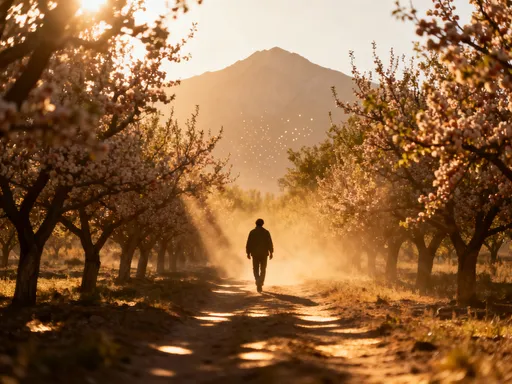
You Won’t Believe What Happens When You Drive Into Quito’s Festival Season
Driving into Quito during festival season feels like stepping into a living postcard—vibrant, loud, and completely unforgettable. I hit the road with no idea what to expect, only the promise of culture, color, and chaos. From mountain-edge highways to cobblestone streets pulsing with music, every mile revealed something raw and real. This isn’t just travel—it’s transformation. And it all started with turning the key and going. The city, perched high in the Andes and wrapped in misty mornings, awakens during its annual celebrations with a rhythm that pulses through the streets, inviting travelers not just to watch, but to join. Behind the wheel, I found freedom—a personal path through parades, flavors, and traditions that unfolded like a story written in music, dance, and flame.
The Decision to Self-Drive Through Quito’s Cultural Heartbeat
Choosing to explore Quito during festival season by rental car was a decision rooted in both curiosity and practicality. While public transportation in the city is extensive and includes modern trolleys and buses, the unpredictable flow of festival events—shifting parade routes, impromptu street performances, and temporary road closures—made a personal vehicle the most reliable way to stay flexible. Renting a compact SUV with four-wheel drive capability offered the confidence to navigate steep inclines, narrow colonial alleys, and occasional unpaved side roads leading to lesser-known celebrations. The freedom to pause at a roadside market selling hand-painted masks or to reroute toward the sound of distant panpipe music transformed the journey from a checklist of sights into a dynamic, unfolding experience.
Of course, driving in Quito presents unique challenges. At nearly 9,350 feet above sea level, the altitude affects both driver and engine performance. Acceleration feels slower, brakes respond differently on downhill stretches, and fatigue can set in more quickly, especially for those not acclimated. Traffic in the city center, particularly during festival weeks, becomes denser as locals and visitors flood the streets. Parking spaces shrink in availability and grow in price near major plazas. Yet, these hurdles were outweighed by the ability to access events beyond the tourist core—rural communities hosting traditional harvest blessings, family-run food stalls at the edge of town, and open-air dance circles that only begin after midnight, far from metro lines.
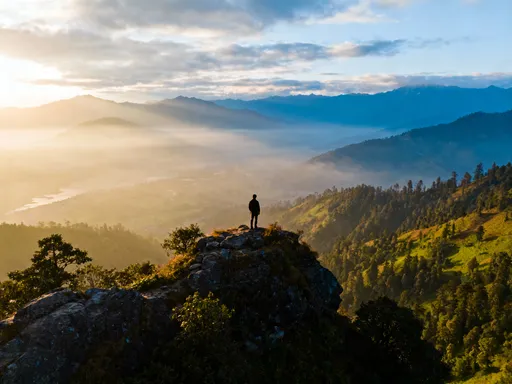
One of the most rewarding aspects of self-driving was the seamless transition between urban energy and countryside serenity. After spending a day immersed in the bustling festivities of the historic center, I could retreat along quiet mountain roads to small towns where celebrations felt more intimate, more rooted in ancestral rhythms. This mobility allowed for a layered understanding of Quito’s cultural identity—not just as a modern capital, but as a living extension of centuries-old Andean traditions. The car became more than transport; it was a portal between worlds, each festival stop adding depth to the next.
Festival Rhythms: When Quito Comes Alive
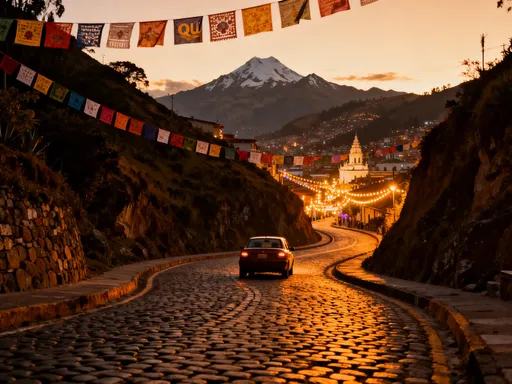
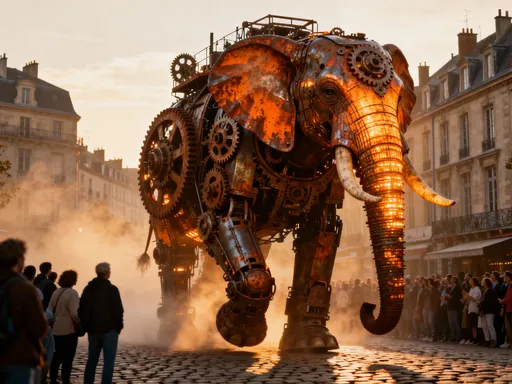
Quito’s festival calendar is a vibrant tapestry woven from indigenous heritage, Spanish colonial influence, and contemporary civic pride. The most prominent celebration, the Fiestas de Quito, marks the city’s founding every December and spans nine days of nonstop activity. Streets transform into stages, schools become performance halls, and entire neighborhoods adopt themes for parades featuring elaborate floats, marching bands, and dancers in dazzling costumes. The air hums with the syncopated beats of cumbia, the mournful trill of quenas (Andean flutes), and the joyful shouts of children in feathered headdresses. It’s a sensory immersion that begins at dawn with fireworks and ends late into the night with open-air concerts beneath strings of colored lights.
While the Fiestas de Quito are the crown jewel, other celebrations throughout the year echo with equal passion. Inti Raymi, the ancient Incan festival of the sun, though more famously observed in Cusco, Peru, still influences events in northern Ecuador. In Quito, its spirit appears in mid-June festivities that honor agricultural cycles, with offerings of corn, potatoes, and chicha (a fermented maize drink) laid at sacred sites. Community altars appear in parks, adorned with flowers, candles, and woven textiles, inviting passersby to pause and reflect. These moments, though less commercialized, offer a profound connection to the land and its cycles—a reminder that celebration here is not just entertainment, but a form of continuity.
The public spaces of Quito become living galleries during these times. Plaza Grande, the city’s main square, hosts official ceremonies, folkloric dance troupes, and food fairs where empanadas de verde (green plantain turnovers) sizzle in oil and steaming cups of canelazo (a spiced cane alcohol drink) warm cold fingers. In the bohemian neighborhood of La Mariscal, street artists paint murals in real time, while musicians gather in plazas for spontaneous jam sessions. The scent of roasted pork, fresh herbs, and incense drifts through the air, blending with the laughter of families and the clatter of dancing feet. Every sense is engaged, every corner holds a surprise—this is not a festival to observe from a distance, but to step into, to become part of.
Route Planning: Connecting Celebrations by Wheel
Navigating Quito’s festival landscape by car requires thoughtful planning, especially during peak celebration periods. The city stretches over 20 miles from north to south, nestled in a long, narrow valley between mountain ridges. Traffic congestion increases dramatically during major events, and certain zones—like the UNESCO-listed Old Town—become partially or fully pedestrianized for days at a time. To make the most of the experience, I mapped a strategic circuit that prioritized accessibility, timing, and variety. Starting early in the morning allowed me to reach prime viewing spots before road closures took effect and parking became scarce.
The route typically began in the historic center, where the Fiestas de Quito’s grand parade unfolds along Avenida 10 de Agosto. From there, I moved east toward Parque La Carolina for cultural exhibitions and food festivals, then south to the traditional neighborhood of Guápulo, known for its steep, winding streets and artisanal workshops. In the evenings, I ventured into the outskirts, where open-air concerts and community bonfires drew locals away from the commercialized core. Each leg of the journey was timed to avoid rush hours and align with event schedules, using a combination of digital planning and real-time adjustments based on local radio updates and police diversions.
Technology played a crucial role, but not without limitations. GPS signals can falter in Quito’s deep urban canyons and mountainous surroundings. To prepare, I downloaded offline maps through trusted navigation apps and saved key addresses in advance. I also kept a physical city map as backup, a simple precaution that proved invaluable when my phone lost signal near the eastern hills. Additionally, I relied on local advice—gas station attendants, parking attendants, and even street vendors often knew the best detours and hidden lots. This blend of digital tools and human insight ensured I stayed on track without missing the spontaneity that makes festival travel so rewarding.
On-the-Ground Experiences: Where the Road Led Me
Some of the most memorable moments came not from planned stops, but from unexpected turns. One afternoon, while searching for a parking spot near Plaza Santo Domingo, I found myself caught in the middle of a neighborhood comparsa—a lively, community-led parade filled with dancers in sequined costumes, drummers, and people tossing confetti from balconies. Before I could retreat, a woman in a feathered crown handed me a tambourine and waved me into the line. With no choice but to go with the flow, I joined the procession, dancing through narrow alleys as spectators cheered and children ran alongside. It was chaotic, joyful, and utterly authentic—a moment of inclusion that no tour guide could have arranged.
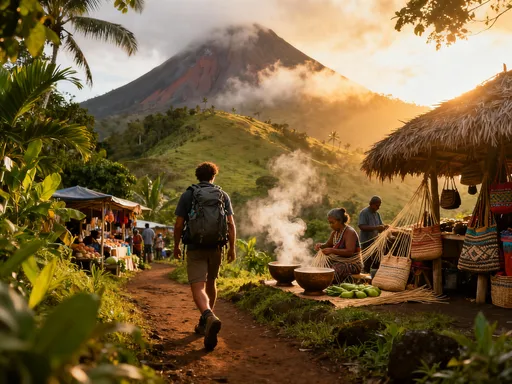
Another surprise awaited on a Sunday drive south of the city. Following a hand-painted sign for a feria artesanal, I turned down a dirt road and discovered a sprawling outdoor market where indigenous artisans from surrounding villages sold handwoven toquilla hats, alpaca wool scarves, and intricately carved wooden masks used in traditional dances. Vendors offered samples of mote pillo (toasted corn with cheese) and llapingachos (potato patties with peanut sauce). Children played near bonfires while elders shared stories in Kichwa, the local indigenous language. There were no entrance fees, no souvenir kiosks—just a living tradition unfolding in real time. I spent hours there, returning only as the sun dipped behind the mountains, the car now filled with handcrafted goods and the scent of woodsmoke.
Even the drives themselves became part of the experience. Returning late at night from an open-air concert in Cumbayá, the city lights shimmered below like scattered stars, while above, the Andean sky blazed with constellations undimmed by urban glow. The quiet hum of the engine, the cool mountain air through the open window, and the faint echo of music fading in the distance created a meditative contrast to the day’s intensity. These moments of solitude, sandwiched between celebrations, offered space to reflect on what I’d seen and felt—a reminder that travel is not just about arrival, but about the spaces in between.
Practical Lessons from the Driver’s Seat
With the benefit of hindsight, several lessons emerged from my time behind the wheel during Quito’s festival season. First, flexibility was essential. While having a schedule helped, the most rewarding experiences came from detours—following a brass band down a side street, stopping at a roadside tamale stand recommended by a passerby, or lingering longer at a celebration that simply felt right. Rigid itineraries often clashed with the organic flow of festival life, where events start late, shift locations, or erupt spontaneously.
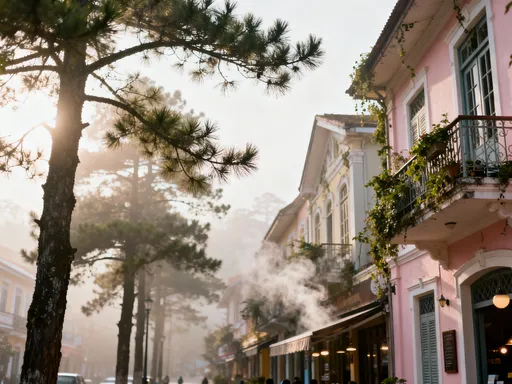
Early mornings proved to be golden. Starting drives before 7 a.m. allowed me to beat traffic, secure parking near major venues, and enjoy the city in its quietest, most photogenic light. The mist rising from the valley, the soft glow on colonial facades, and the first vendors setting up their stalls created a peaceful prelude to the day’s chaos. Conversely, attempting to drive during midday parades or evening fireworks often meant long delays and circuitous detours. Patience, a full tank of gas, and a willingness to wait were invaluable.
Fuel efficiency in Quito is generally good, especially in compact vehicles. Despite the hilly terrain, I found that filling up once every three to four days was sufficient for daily explorations and occasional day trips. Gas stations are plentiful, but those accepting international credit cards are more common in central and upscale areas. Carrying some local currency for smaller, independent stations was a wise backup. Additionally, regular breaks were crucial—not just for rest, but to manage altitude effects. Sipping coca tea, staying hydrated, and stepping out to stretch every hour helped maintain alertness on winding roads, particularly when descending into the city from higher elevations.
Beyond the City: Day Trips to Amplify the Festival Vibe
While Quito’s urban celebrations are spectacular, the surrounding region offers equally rich, often more traditional, festival experiences. A self-drive made it easy to venture beyond the capital and witness how smaller communities honor their heritage. One standout trip took me to Tabacundo, a town about 30 miles north, during its annual celebration of the Virgin of Mercy. The event combined Catholic procession with indigenous customs—dancers in jaguar masks performed alongside church choirs, and farmers presented their best crops in a public blessing. The atmosphere was familial, unhurried, and deeply sincere, a contrast to the high-energy spectacle of the city.
Another memorable excursion led to Sangolquí, just 15 miles southeast, during its Festival of San Luis. The town swelled with visitors for its famous horse parade, where riders in traditional Andean attire galloped through the main street in a display of horsemanship and pride. Agricultural fairs lined the outskirts, offering everything from artisanal cheeses to hand-forged tools. What stood out was the integration of commerce and culture—vendors weren’t just selling; they were demonstrating crafts, sharing recipes, and inviting visitors to try weaving or cheese-making. These day trips didn’t just extend the festival experience—they deepened it, revealing the roots from which Quito’s own celebrations grow.
Driving to these towns also highlighted the ecological and cultural diversity of the region. Within an hour’s drive, the landscape shifted from urban sprawl to patchwork farmland, high-altitude grasslands, and cloud forest edges. Each environment supported different traditions, crops, and ways of life. Seeing how festivals adapted to local conditions—whether honoring a patron saint, celebrating a harvest, or marking a solstice—offered a more nuanced understanding of Ecuadorian identity. The car, once again, proved indispensable in connecting these dots, turning a single festival journey into a mosaic of meaning.
Why This Journey Changed How I See Travel
This self-driven exploration of Quito’s festival season reshaped my understanding of what travel can be. It moved beyond sightseeing into a form of participation, where the act of choosing a route, engaging with strangers, and embracing the unexpected became central to the experience. The autonomy of driving allowed for spontaneity—turning down an unmarked road, joining a dance without invitation, or lingering at a market until the last vendor packed up. These choices, small in isolation, accumulated into a journey that felt personal, authentic, and deeply connected to place.
Festivals are often presented as curated experiences—something to observe from bleachers or follow on a guided tour. But by navigating them on my own terms, I discovered their heartbeat. I saw how tradition lives not in perfection, but in imperfection—the slightly off-key trumpet, the child stumbling in a dance, the last-minute change in parade order. These moments, unpolished and real, carried more meaning than any scripted performance. They reminded me that culture is not a museum exhibit, but a living, breathing practice, constantly renewed by those who carry it forward.
In the end, Quito’s soul is not found in a single monument or museum, but in the collective energy of its people during celebration. And that energy is best accessed not on fixed routes or timetables, but on four wheels, moving at the rhythm of discovery. To drive through Quito’s festival season is to surrender to wonder, to let the road—and the music—lead the way. It is a reminder that the most transformative journeys are not about distance covered, but about connections made, one unexpected turn at a time.