Lost in the Clouds: Pokhara’s Wild Side Nobody Talks About
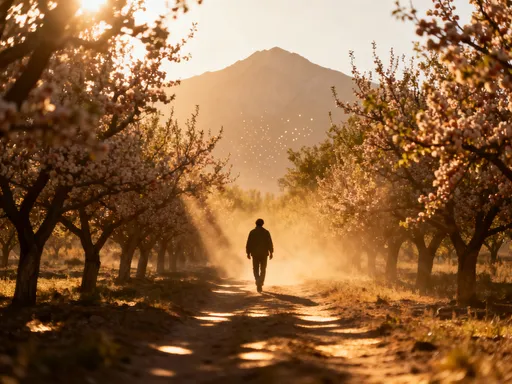
Nestled between the Annapurna range and pristine lakes, Pokhara is more than just a tourist stop—it’s a gateway to Nepal’s untouched wilderness. Most travelers stick to the lakeside cafes and well-trodden trails, but beyond the postcard views lie hidden valleys, misty forests, and quiet villages where nature still rules. This is not just another travel guide. It’s an invitation to explore the raw, quiet beauty few ever see. Far from the bustling markets and paragliding takeoffs, a deeper version of Pokhara waits—where mornings begin with mist curling over silent wetlands, where bird calls replace traffic noise, and where every footstep on a forest path feels like a rediscovery of peace. For those willing to wander beyond the expected, Pokhara offers not just scenery, but transformation.
Why Pokhara Deserves More Than a Layover
Pokhara is often treated as a rest point—a place to recover after the Annapurna Circuit or prepare for the next trek. Yet this lakeside city, cradled by the Himalayas and fed by glacial rivers, holds ecological significance far beyond its role as a backpacker’s pit stop. Located in central Nepal at an elevation of about 827 meters, Pokhara sits in a unique transitional zone where subtropical forests meet alpine heights. This convergence creates a rich mosaic of habitats, from freshwater lakes to high-altitude grasslands, supporting an extraordinary range of plant and animal life. Despite this, many visitors spend only a day or two, drawn by Phewa Lake’s mirror-like surface or the thrill of paragliding over Fishtail Mountain.
What gets overlooked is that Pokhara is not merely a backdrop for adventure sports or a launchpad for treks—it is a living ecosystem with rhythms and seasons all its own. The city’s proximity to the Annapurna Conservation Area, one of Asia’s largest protected regions, means that even short excursions can lead into landscapes shaped by nature, not tourism. Yet the narrative around Pokhara remains narrow, focused on comfort and convenience rather than depth and discovery. This limited view does a disservice to both the region and the traveler, reducing a place of profound natural complexity to a scenic pause between more “serious” destinations.
The truth is, Pokhara deserves to be experienced on its own terms. Its mild climate, fertile valleys, and layered topography have nurtured communities and biodiversity for centuries. The Pokhara Valley was once a series of interconnected lakes, slowly filled by sediment and shaped by seismic shifts—geological evidence still visible in the region’s terraced hills and underground springs. Recognizing Pokhara as more than a layover means acknowledging its quiet resilience, its seasonal transformations, and the subtle beauty of its lesser-known corners. It means shifting from passive sightseeing to active, mindful exploration.
The Overlooked Wilderness: Where the Real Magic Begins
Beyond the well-paved paths of Phewa Lake and the crowded viewpoints of Sarangkot lies a quieter, wilder Pokhara. This is a realm of whispering reed beds, cloud-draped ridgelines, and footpaths worn by generations of farmers rather than tourists. Places like Rupa Tal, a smaller and less-visited lake just south of Phewa, offer a glimpse into this hidden world. Surrounded by marshlands and fringed with lotus blooms in summer, Rupa Tal is a sanctuary for birds, butterflies, and the occasional otter slipping through the reeds. At dawn, when fog clings to the water’s surface and kingfishers dart between branches, the lake feels suspended in time.
Further afield, the Khopra Ridge trail winds through dense oak and rhododendron forests, leading to sweeping views of Dhaulagiri and Annapurna South. Unlike the crowded Ghorepani route, Khopra sees fewer visitors, allowing hikers to walk for hours without encountering another soul. The ridge is home to traditional Magar villages where life moves to the rhythm of seasons—planting millet in spring, harvesting buckwheat in autumn, and gathering firewood before the winter snows. These communities live in harmony with the land, their homes built from stone and slate, their fields terraced into steep hillsides with care passed down through generations.
Even near Sarangkot, famous for sunrise views, the back trails reveal a different story. Step off the main road, and within minutes, the noise of motorbikes fades. You enter a world of fern-covered slopes, where langur monkeys move silently through the canopy and mist rolls in like slow breath. The forest here is alive with sound—the rustle of unseen creatures, the distant call of a cuckoo, the soft drip of dew from leaves after rain. These are not dramatic spectacles, but quiet moments of connection, the kind that linger in memory long after the trip ends.
Choosing the Path Less Traveled: How to Find Authentic Nature
Finding these hidden corners requires a shift in mindset. Standard travel guides and digital maps often highlight only the most accessible or commercialized spots, leaving the deeper wilderness unmarked. To discover the real Pokhara, travelers must rely on local knowledge and a willingness to slow down. One of the most effective ways is to engage with village communities. A casual conversation with a farmer on the edge of Birethanti or a homestay in a remote hamlet like Ghandruk can yield invaluable insights—paths that lead to hidden waterfalls, meadows where wildflowers bloom in spring, or forest clearings where deer graze at dusk.
Hiring a community guide from a local homestay network not only supports the economy but also ensures a more authentic experience. These guides, often raised in the villages they represent, know the land intimately—not just the safest routes, but the sacred groves, seasonal trails, and quiet places where nature reveals itself gradually. They understand when the rhododendrons will bloom, where the best views open after a morning fog lifts, and which streams are safe to cross during the monsoon. Their knowledge cannot be downloaded; it is earned through years of living in harmony with the mountains.
Slow travel is key. Rushing from one highlight to the next ensures you’ll miss the subtle details—the way light filters through a canopy of leaves, the sound of a distant shepherd’s flute, the scent of damp earth after rain. Staying in a village homestay for two or three nights allows time to adjust to the pace of rural life, to walk without a fixed itinerary, and to let the landscape speak on its own terms. It also reduces environmental impact, as homestays typically use local resources sustainably and generate less waste than larger hotels.
Smartphones and GPS apps have their place, but they often fail in remote areas where signals are weak or trails are unmapped. Instead of relying solely on technology, carry a basic paper map, ask for directions at tea shops, and be open to detours. Some of the most memorable experiences come from unexpected turns—a chance invitation to a village festival, a shared meal with a family tending their fields, or a spontaneous walk down a narrow path that leads to a panoramic overlook no guidebook mentions.
Hidden Hikes That Will Steal Your Breath
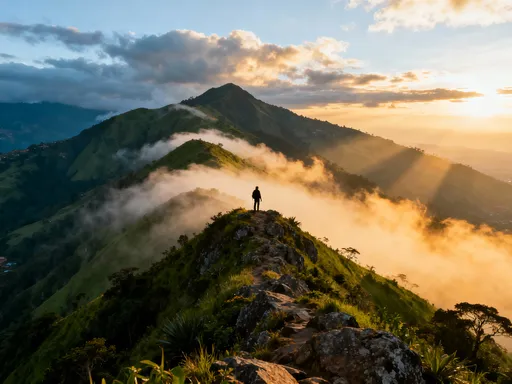
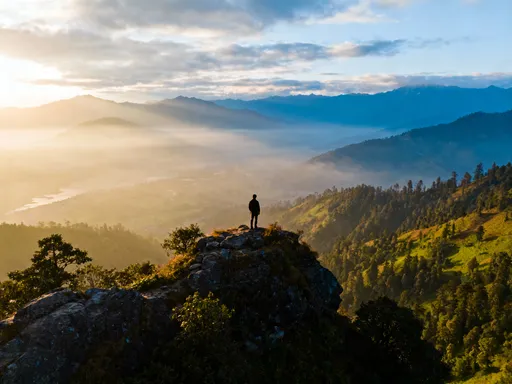
For those seeking trails that balance beauty with solitude, Pokhara offers several underrated options. One of the most rewarding is the dawn hike through Panchase Mountain’s rhododendron forests. Rising to about 1,600 meters, Panchase is less frequented than other viewpoints, yet it delivers some of the most breathtaking panoramas in the region. Starting early, when the air is crisp and the forest still wrapped in mist, you climb through thickets of red and white rhododendrons—Nepal’s national flower—which bloom spectacularly from March to May. As the sun rises, the clouds below begin to glow, revealing a sea of white that slowly parts to expose the Annapurna and Dhaulagiri ranges in sharp silhouette.
The trail is moderate in difficulty, taking about four to five hours to reach the summit from the nearest roadhead. Along the way, you pass through traditional Gurung villages where women in colorful blouses carry loads on their backs, and children wave from doorways. The path is well-defined but rarely crowded, allowing for moments of quiet reflection. At the top, a small rest house offers tea and simple snacks, but the real reward is the silence—the vastness of the landscape stretching in every direction, unspoiled by noise or development.
Another exceptional route is the ridge trek from Dhampus to Australian Camp, a lesser-known alternative to the busier Sarangkot trail. This path climbs gradually through pine and oak forests, offering intermittent views of Machhapuchhre (Fishtail Mountain) as you ascend. Unlike the paved roads leading to Sarangkot’s main viewpoint, this trail remains largely natural, with dirt paths, tree roots, and occasional wooden steps carved into the hillside. The destination—Australian Camp—was once used by foreign trekkers in the 1960s and now serves as a quiet rest spot with benches and a basic shelter. From here, the view encompasses Phewa Lake, Pokhara Valley, and the full sweep of the Annapurna range.
A third option is the lakeside bypass trail that circles the southern edge of Phewa Lake, leading to small fishing villages like Bare and Lumbin. While most tourists stick to the northern shore’s restaurants and shops, this southern route offers a glimpse into daily life along the water. Fishermen mend their nets in wooden boats, children play on bamboo rafts, and women wash clothes on stone steps by the shore. The path is flat and easy, ideal for a morning or evening walk, and dotted with small tea stalls where you can rest and enjoy a cup of chiya with local conversation. It’s a gentle reminder that beauty isn’t always found in grand vistas—sometimes, it’s in the rhythm of ordinary life.
Encounters with Nature: From Kingfishers to Leeches
Traveling off the beaten path means embracing the full spectrum of nature—not just its beauty, but its unpredictability. In Pokhara’s wilder corners, you’ll encounter moments of pure wonder: a Himalayan griffon circling high above the Kali Gandaki gorge, its wings spanning nearly three meters; a flash of blue as a paradise flycatcher flits through the underbrush; or the delicate bloom of a wild orchid clinging to a mossy tree trunk. These are the small miracles that make slow travel meaningful—the kind of sightings that feel like gifts rather than guarantees.
But nature is not always gentle. The same forests that host rare birds are also home to leeches, especially during the monsoon months from June to September. These small, blood-sucking worms thrive in damp undergrowth and can attach to boots or socks unnoticed. While they are harmless and their bite painless, their presence is a reminder that this landscape is alive and untamed. Carrying a small salt container or a piece of cloth to remove them is practical, but accepting them as part of the experience is part of respecting the ecosystem.
Mud, too, is a constant companion in the rainy season. Trails turn slick, and crossing small streams becomes an adventure in balance. Yet these challenges deepen the connection to the land. Navigating a slippery path requires presence, focus, and patience—qualities often lost in faster, more commercialized forms of travel. Getting wet, muddy, or slightly lost is not a failure; it’s part of the journey. It’s in these moments, when comfort is stripped away, that awareness sharpens and the senses come alive.
Even the quiet moments hold meaning. Sitting on a rock by Rupa Tal at sunrise, watching mist rise like steam from the water, you begin to notice the subtle signs of life—a frog plopping into the reeds, a dragonfly hovering above a lily pad, the distant call of a watercock hidden in the marsh. These are not dramatic encounters, but they accumulate into a deep sense of peace. They remind you that you are not the center of this world—just a guest, passing through.
Sustainable Exploration: Leaving No Trace, Taking Only Memories
As more travelers seek authentic experiences, the need for responsible tourism becomes urgent. The fragile ecosystems around Pokhara cannot withstand careless behavior. Single-use plastics, stray waste, and off-trail hiking can damage habitats that have taken centuries to form. The principle of “leave no trace” is not just a slogan—it’s a commitment to preserving the very beauty that draws us in. Simple actions make a difference: carrying a reusable water bottle, using biodegradable soap, packing out all trash, and avoiding plastic bags.
Supporting local eco-initiatives is another powerful way to travel responsibly. Some villages near Panchase and Khopra have established community-managed conservation areas, where entrance fees fund trail maintenance and environmental education. By paying these modest fees and respecting local rules, visitors contribute directly to preservation. Choosing homestays over large hotels ensures that income stays within the community, empowering families to protect their land rather than sell it for development.
Respect extends beyond the physical environment. Sacred groves, prayer flags, and small stone shrines are part of the cultural and spiritual fabric of the region. These are not photo opportunities—they are living expressions of belief. Walking around a chorten clockwise, removing shoes before entering a village shrine, or simply observing quietly when a family is praying shows respect that transcends language. Learning a few basic Nepali phrases—like “Namaste” (hello), “Dhanyabad” (thank you), or “Kasto cha?” (How are you?)—can open doors to connection and understanding.
Sustainable travel is not about perfection. It’s about intention. It’s choosing to walk instead of taking a jeep when possible, refusing a plastic straw at a tea shop, or thanking a guide with more than just money. These small acts, multiplied across thousands of visitors, can protect Pokhara’s wilderness for future generations. The goal is not to minimize your footprint, but to leave a positive one—one of care, curiosity, and quiet appreciation.
The Quiet Reward: Why Silence in Nature Changes You
In a world of constant noise—notifications, traffic, endless choices—the silence of Pokhara’s wild spaces is a rare gift. It is not empty, but full of presence. The hush of a fog-drenched forest, the soft lap of water against a lake shore, the distant chime of a cowbell in a hillside pasture—these sounds do not fill the silence; they define it. And in that stillness, something shifts. The mind, usually racing with plans and worries, begins to settle. Thoughts slow. Breathing deepens. A sense of clarity emerges, not through effort, but through surrender.
This is not escape. It is reconnection. The quiet of Rupa Valley at sunrise, when the first light touches the lotus flowers and the air is cool and still, does more than soothe—it reminds. It reminds you that you are part of something larger, that your life is not separate from the rhythm of seasons, the flight of birds, the growth of trees. In that moment, the boundaries between self and landscape blur. You are not just observing nature; you are within it, part of its pulse.
For many, especially women in their thirties to fifties who have spent years managing households, careers, and families, this kind of solitude is rare. The demands of daily life rarely allow for stillness. But in the hills above Pokhara, time moves differently. A two-hour walk becomes a meditation. A shared cup of tea with a village elder becomes wisdom. A moment of awe at a mountain vista becomes renewal. These experiences do not erase life’s challenges, but they offer perspective—a reminder that peace is not found in perfection, but in presence.
The emotional benefit of such journeys is well-documented. Studies have shown that time in nature reduces stress, improves mood, and enhances mental clarity. But beyond science, there is something intangible—a feeling of coming home to oneself. In the silence, you hear your own voice again, not the one shaped by duty or expectation, but the one that knows what matters. This is the quiet reward of traveling deep: not just seeing a new place, but remembering who you are.
Beyond the Postcard – Rediscovering Pokhara’s Soul
Pokhara is more than a destination. It is an invitation—to slow down, to look closely, to listen. The postcard views of Phewa Lake and Fishtail Mountain are beautiful, but they are only the surface. Beneath them lies a richer, quieter world, accessible to those willing to step off the main road. This is not about ticking off landmarks or capturing the perfect photo. It is about presence. It is about walking through a misty forest and feeling the cool air on your skin, about sharing a meal with a family in a mountain village, about sitting by a lake and watching the light change with the hours.
To travel this way is to become a mindful explorer. It means valuing depth over distance, connection over convenience, and stillness over spectacle. It means understanding that the most meaningful journeys are not always the longest, but the ones that change how you see. Pokhara, in its wild, unguarded moments, has the power to do just that.
So the next time you plan a trip, consider not just where you’ll go, but how you’ll be there. Seek the path less traveled. Stay a little longer. Listen—to the wind, to the water, to the silence. Let nature speak. And in its quiet voice, you may just hear your own.