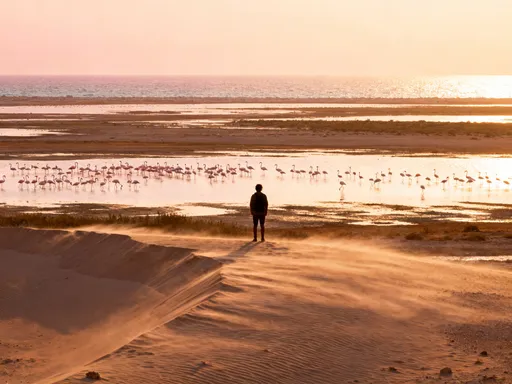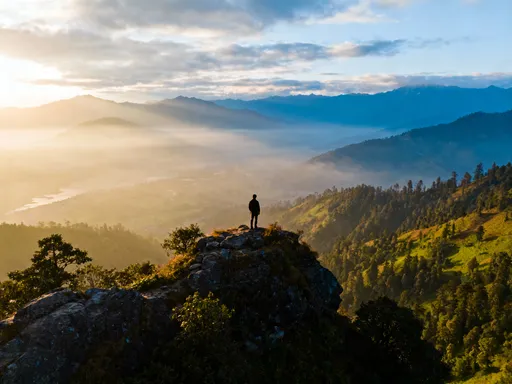
You Won’t Believe These Hidden Natural Escapes Near Niamey
When I first arrived in Niamey, I expected city life and not much else. But just beyond the dusty streets lie breathtaking natural secrets most travelers never hear about. From serene river islands to wild reserves teeming with life, Niger’s capital offers more than meets the eye. I was blown away by how untouched and peaceful these spots felt. The air was softer there, the sounds gentler—lapping water, rustling leaves, distant bird calls. This is not the desert wasteland many imagine. Instead, it's a landscape shaped by the mighty Niger River, where green ribbons weave through the savannah and wildlife still roams free. If you're seeking real, raw beauty off the tourist trail, you gotta check what’s hiding in plain sight.
Reimagining Niamey: More Than a Desert Capital
Niamey, the capital of Niger, often appears on maps as a remote urban dot in a vast, arid region. To many, it symbolizes the Sahara’s edge—a place defined by heat, dust, and sparse vegetation. Yet this perception misses a vital truth: Niamey is also a gateway to some of West Africa’s most surprising natural landscapes. Nestled along the eastern bank of the Niger River, the city benefits from a lifeline that sustains ecosystems far beyond its borders. The river does more than quench the thirst of the population; it nurtures green belts, floodplains, and seasonal wetlands that pulse with life during the rainy season.
The Niger River, one of Africa’s great waterways, flows through the heart of the country, curving like a boomerang from Guinea’s highlands all the way to the Gulf of Guinea. Near Niamey, its waters move slowly, spreading into broad channels and creating islands, marshes, and fertile banks. These areas support acacia woodlands, thickets of tamarind, and grassy clearings where birds nest and small mammals forage. It's a delicate balance—between dryland and water, between urban expansion and natural preservation—but one that allows for rare ecological richness in an otherwise challenging climate.
Despite these gifts, most travelers pass through Niamey without venturing beyond the city limits. Some assume there’s nothing worth seeing nearby. Others are deterred by outdated perceptions of the region’s accessibility or safety. But those who look closer discover a different story—one of quiet resilience and natural beauty. The very fact that these places remain under-visited adds to their charm. There are no souvenir stalls, no crowded viewpoints, no long queues for entry. What you find instead is authenticity: locals tending small farms, children playing along the banks, fishermen casting nets at dawn. These are everyday moments, unposed and unfiltered, that reveal the soul of the region.
Reimagining Niamey means recognizing it not as an endpoint, but as a starting point. From here, a world of natural escapes unfolds within just a few hours’ journey. Whether it’s a riverside island, a wildlife reserve, or a trail through the riparian forest, each destination offers a chance to reconnect with nature in its most honest form. And as interest in sustainable and off-the-beaten-path travel grows, Niamey’s hidden landscapes stand ready to welcome those willing to explore beyond the surface.
Île de Gao: A Peaceful Oasis on the Niger River
Just a short distance from the bustling markets and traffic of central Niamey lies Île de Gao, a tranquil retreat nestled in the middle of the Niger River. Though not widely known to international tourists, this island is a cherished escape for locals seeking shade, solitude, and the soothing rhythm of river life. Accessible by a brief boat ride from the riverside neighborhoods of the city, Île de Gao feels worlds away from urban noise. Its name may evoke distant Timbuktu or the legendary trading posts of the past, but this Gao is a quiet sanctuary, not a historic town—a place where time slows and nature takes center stage.
The island is shaded by towering acacia and tamarind trees, their branches forming natural canopies that filter the sun into dappled patterns on the ground. Along the banks, the water moves gently, creating calm inlets perfect for wading or simply dipping your feet. The air carries the scent of damp earth and green foliage, especially after a recent rain. Birdsong fills the mornings—kingfishers darting over the surface, doves calling from the trees, and egrets standing motionless in the shallows. It’s a haven for both wildlife and weary city dwellers looking to unwind.
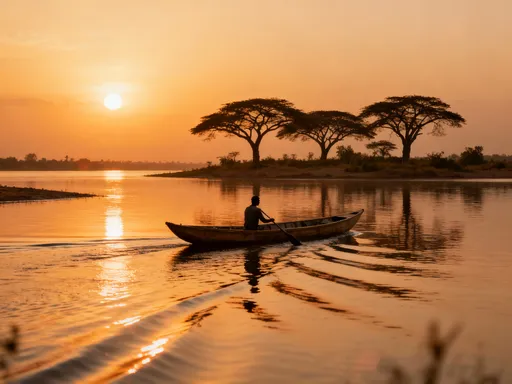
On weekends and holidays, families gather on the island for picnics, spreading out mats under the trees and sharing meals of grilled fish, millet bread, and fresh mangoes. Children run through the grass, chasing each other or trying to skip stones across the water. Fishermen in wooden pirogues glide silently along the edges, casting handwoven nets with practiced ease. There’s a deep sense of continuity here—a tradition of river-based life that has endured for generations. No loudspeakers, no vendors, no commercial development disrupts the peace. The absence of infrastructure is not a flaw; it’s part of the island’s appeal.
What makes Île de Gao truly special is its authenticity. Unlike many tourist destinations that have been reshaped for convenience and comfort, this place remains largely as it has always been. There are no restaurants, no changing rooms, no marked trails. Visitors come as guests, respecting the space and leaving no trace. This low-impact use has helped preserve the island’s ecological balance. It also means that those who visit experience something rare: a natural space untouched by mass tourism. For travelers seeking serenity and a genuine connection to local ways of life, Île de Gao offers a quiet revelation—one that lingers long after the boat ride back to the mainland.
Parc National du W: A Wild Frontier Within Reach
While Niamey itself offers peaceful river escapes, a more adventurous journey—roughly 500 kilometers to the southwest—leads to one of West Africa’s most significant protected areas: Parc National du W. Though not located in the immediate vicinity of the capital, this vast wilderness is accessible via organized tours or charter flights and represents a natural treasure well worth the trip. Spanning the tri-border region of Niger, Benin, and Burkina Faso, the park forms a transboundary conservation zone recognized by UNESCO as a World Heritage Site. Its name comes from the meandering path of the Niger River, which loops through the landscape in a double bend resembling the letter “W.”
Within this rugged terrain, an extraordinary diversity of wildlife thrives. The park is home to some of the last remaining populations of African elephants in the region, moving across open savannahs and rocky hills in seasonal migrations. Herds of antelopes—including the elegant dama gazelle and the robust roan antelope—graze in the grasslands, while predators like lions and leopards maintain their elusive presence. Nile crocodiles bask along the riverbanks, and hippos submerge in deep pools, emerging at dusk to feed. Over 350 species of birds have been recorded here, from towering marabou storks to colorful bee-eaters and fish eagles perched high in acacia trees.
What sets Parc National du W apart is not just its biodiversity, but its role in regional conservation. As human pressures increase across the Sahel, protected areas like this serve as vital refuges for species facing habitat loss and climate stress. The park is managed through collaborative efforts between governments, conservation NGOs, and local communities. Rangers patrol the area to deter poaching, while research teams monitor animal movements and ecosystem health. These efforts have helped stabilize populations of key species, though challenges remain due to drought, desertification, and cross-border movement of wildlife.
For visitors, the experience of a safari in Parc National du W is both humbling and exhilarating. Guided tours typically begin at the park’s main entry points, where visitors are assigned experienced guides and armed escorts for safety. Drives take place in open 4x4 vehicles, allowing clear views of animals in their natural habitat. Nighttime brings a different kind of magic—the sound of hyenas calling in the distance, the flicker of campfires, and the vast canopy of stars undimmed by city lights. Accommodations range from basic eco-camps to modest lodges, all designed to minimize environmental impact. While the journey requires planning and commitment, the reward is a rare glimpse into a wild Africa that still breathes freely.
The Magic of the Kouré Reserve: Where Giraffes Roam Free
Only about 60 kilometers southeast of Niamey, the Kouré Reserve offers one of the most extraordinary wildlife experiences in West Africa: the chance to see the endangered West African giraffe in its natural habitat. Once widespread across the Sahel, this subspecies has faced severe population declines due to habitat loss and human encroachment. Today, Kouré is one of the last strongholds for these gentle giants, hosting a growing population that has become a symbol of successful community-led conservation. Seeing a giraffe move gracefully across the semi-arid savannah, its long neck swaying above the thorny scrub, is a moment of pure wonder.
The reserve spans a patchwork of grasslands, scattered woodlands, and seasonal water sources that sustain both wildlife and local pastoralists. Unlike traditional national parks with strict boundaries, Kouré operates as a community-managed conservation area, where villagers play an active role in protecting the giraffes and their environment. This model has proven effective—not only in safeguarding the animals but in fostering local pride and economic opportunity through eco-tourism. Guides from nearby villages lead visitors on walking or driving tours, sharing knowledge passed down through generations about animal behavior and plant uses.
Designated viewing platforms and observation points allow for safe and respectful wildlife encounters. From these vantage spots, visitors can watch giraffes browsing on leaves, calves playing near their mothers, or a bull stretching to reach the highest branches. The experience is intimate but never intrusive. There are no fences enclosing the animals; they roam freely, often crossing paths with herds of goats or donkeys tended by local herders. This coexistence reflects a deeper harmony between people and nature—one that has taken years to rebuild and must be carefully maintained.
Conservation efforts in Kouré have yielded measurable results. In the 1990s, fewer than 50 West African giraffes remained in the wild. Thanks to habitat restoration, anti-poaching measures, and public awareness campaigns, the population has rebounded to over 600 individuals today. This success story is celebrated not just by scientists but by schoolchildren in nearby towns, who learn about the giraffe as a national treasure. For travelers, a visit to Kouré is more than a safari—it’s a lesson in hope, resilience, and the power of community action. It reminds us that even species on the brink can recover when given the chance.
Exploring the Riparian Trails Along the Niger River
Beyond the well-known islands and reserves, another dimension of Niamey’s natural beauty unfolds along the lesser-traveled riparian trails that follow the Niger River’s edge. These informal paths, used primarily by locals for fishing, walking, and grazing livestock, offer quiet opportunities for exploration just minutes from the city center. Unlike formal parks or tourist sites, these trails are unmarked and unmanaged—part of the everyday fabric of riverside life. Yet they provide some of the most authentic and scenic experiences available near the capital.
Walking or cycling along these trails at sunrise or sunset reveals a landscape transformed by light. The river reflects the sky in shimmering hues of gold and pink, while mist rises from the water, softening the outlines of trees and distant hills. Birdwatchers will find rich rewards here: herons stalk the shallows, kingfishers flash like blue sparks through the air, and migratory species such as the black-winged pratincole arrive seasonally from Europe. The vegetation along the banks includes tall reeds, fig trees, and patches of wild hibiscus, creating microhabitats for insects, reptiles, and small mammals.
Along the way, simple refreshment stands appear—often no more than a shaded table with stools, run by women who serve hot tea, fresh coconut water, or fried plantains. These stops offer more than refreshment; they provide a window into daily life. Conversations with vendors or passing fishermen reveal stories of river floods, changing seasons, and the importance of the waterway for food and transport. Children wave as they walk home from school, balancing books on their heads. Goats graze near makeshift corrals. There’s a rhythm to life here that feels both simple and profound.
For visitors, these trails represent a chance to move at a slower pace, to observe rather than consume. There are no entrance fees, no guided tours, no souvenir stands—just the river, the path, and the people who know it best. While the terrain can be uneven and shade limited, the experience is deeply rewarding for those who appreciate understated beauty. Bringing water, wearing a hat, and moving respectfully through the space ensures both comfort and cultural sensitivity. In a world where nature is increasingly packaged and sold, these quiet riverside walks remind us that some of the best moments are free, unplanned, and profoundly human.
Practical Tips for Discovering Nature Near Niamey
Exploring the natural escapes around Niamey is a rewarding experience, but thoughtful preparation enhances both safety and enjoyment. The best time to visit is during the cooler dry season, from November to February, when temperatures are more moderate and rainfall is minimal. During these months, wildlife is easier to spot as animals gather near water sources, and trails are more accessible. Traveling in the hot season (March to June) can be uncomfortable due to high temperatures, while the rainy season (July to October) may make some roads impassable due to flooding.
Hiring a local guide is highly recommended, especially for visits to Kouré Reserve or Parc National du W. Guides not only ensure safe navigation but also enrich the experience with cultural and ecological insights. Many speak French and some basic English, and they often work through community cooperatives or tour operators based in Niamey. Booking in advance through a reputable hotel or travel agency can help secure reliable service and fair pricing.
Packing essentials include plenty of drinking water, sunscreen, a wide-brimmed hat, and lightweight, long-sleeved clothing to protect against sun and insects. Insect repellent is advisable, particularly in the early morning and evening when mosquitoes are active. It’s also important to respect local customs—dressing modestly, asking permission before photographing people, and being mindful of religious practices, especially during Ramadan or prayer times.
Transport options vary depending on the destination. For Île de Gao and the riparian trails, taxis or motorbikes from central Niamey can reach launching points, with boat transfers arranged locally. For Kouré Reserve, private cars or guided day trips are common. Reaching Parc National du W requires longer travel, either by 4x4 vehicle on unpaved roads or through organized tours that include accommodations. While infrastructure is limited, the growing interest in eco-tourism is encouraging improvements in accessibility and visitor services.
Why These Natural Gems Matter—And Must Be Preserved
The natural spaces surrounding Niamey are more than scenic escapes—they are vital links between people, culture, and the environment. They provide clean air, fresh water, and habitat for species found nowhere else. They offer moments of peace in an increasingly fast-paced world. And they serve as living classrooms, where children and visitors alike can learn about ecology, conservation, and the delicate balance of life in the Sahel. These places remind us that nature is not separate from human life but deeply intertwined with it.
Yet these landscapes face growing pressures. Climate change has intensified droughts, reducing water availability and stressing plant and animal populations. Expanding agriculture and urban development encroach on natural areas, fragmenting habitats and increasing human-wildlife conflict. In some regions, overgrazing and deforestation threaten soil stability and biodiversity. Without sustained attention, even resilient ecosystems like those around Niamey could deteriorate.
Responsible tourism offers a path forward. When visitors support community-led initiatives, hire local guides, and follow eco-friendly practices, they contribute directly to conservation and livelihoods. Entrance fees, tour payments, and respectful engagement help fund ranger patrols, educational programs, and habitat restoration. More importantly, they signal that these places have value—not just economically, but culturally and ecologically.
Preserving Niger’s quiet natural wonders is not just the responsibility of governments or scientists; it belongs to all who experience them. Every traveler who treads lightly, learns deeply, and shares their story becomes a steward of these spaces. The giraffes of Kouré, the elephants of W, the birds of the riverbanks—they are not just symbols of wild Africa. They are reminders of what we stand to lose if we look away, and what we can protect if we choose to act. So go explore. Go quietly. And help ensure that these hidden escapes remain for generations to come.