Hiking Trails to Hidden Markets: Suva’s Wild Side and Urban Soul
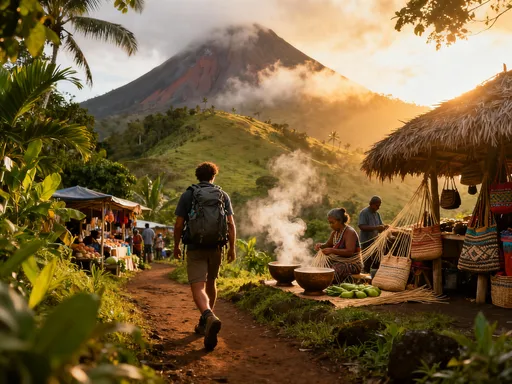
You know what? Suva, Fiji isn’t just government buildings and city streets—this place has wild trails leading straight to vibrant local markets. I laced up my boots expecting jungle views, but ended up sipping kava in a hillside village and bargaining for handmade bilum bags at an open-air market only hikers know about. Hiking here isn’t just exercise—it’s a backdoor pass to authentic culture, flavors, and crafts. This is insane: nature and shopping aren’t opposites in Suva—they’re connected by footpaths and tradition. What begins as a trek through rustling ferns and towering canopy trees often concludes with the clatter of market stalls, the scent of grilled root vegetables, and the warm laughter of vendors who’ve been weaving, farming, and trading for generations. In Suva, the journey and the destination are not separate—they are stitched together by movement, memory, and meaning.
Why Hiking in Suva Leads to More Than Scenery
Suva is often viewed as Fiji’s administrative heart—a city of government offices, university campuses, and urban routines. Yet just beyond the paved roads and city limits, a network of footpaths winds through misty ridges, dense rainforest, and quiet village outskirts. These trails are not merely recreational; they are lifelines. For generations, Fijians have used these paths to travel between highland farms and coastal markets, carrying taro, cassava, and handcrafted goods on foot. Today, hikers who follow these same routes are not just tourists—they are participants in a living tradition of movement and exchange.
What makes Suva’s hiking experience unique is the seamless blend of wilderness and community. Unlike remote trekking destinations where nature feels isolated from human life, here the forest opens directly into village life. A climb through the green shadows of Colo-i-Suva may end at a roadside table piled with pineapples and woven fans. A ridge walk above the Rewa Delta might descend into a Saturday market where women in colorful sulus sell bundles of kava root and jars of wild honey. These are not staged performances for visitors—they are real, daily rhythms of Fijian life.
Choosing to hike in Suva means stepping off the tourist circuit and into a more intimate relationship with the land and its people. It’s a shift from passive sightseeing to active engagement. When you arrive at a market on foot, tired and thirsty, the coconut offered by a vendor carries more weight. The bilum bag you purchase isn’t just a souvenir—it’s a token of connection, earned through effort and presence. This is the deeper value of Suva’s trails: they transform travel from consumption into conversation.
Top Trails That End in Authentic Shopping Experiences
For those seeking more than a photo opportunity, Suva offers several well-established hiking routes that culminate in genuine market encounters. These are not tourist traps but working pathways used by locals, where the end of the trail often means the beginning of a lively exchange. Three of the most rewarding routes combine moderate physical challenge with rich cultural rewards.
The first is the ridge path to Nakasi Village, a 4.5-kilometer trek that begins in the foothills east of Suva. The trail climbs steadily through patches of secondary forest and open grasslands, offering panoramic views of the Coral Sea. After about 90 minutes of walking, hikers descend into the village, where a small but vibrant market operates on weekends. Here, visitors find handwoven pandanus mats, bundles of dalo (taro), and wooden kava bowls carved by local elders. The vendors are friendly but not pushy—many are happy to explain how the mats are made or what makes highland kava more potent.
Another excellent option is the rainforest trail near Colo-i-Suva Forest Park, a favorite among locals and expatriates alike. While the park itself is well-known, fewer people follow the extended footpath that loops behind the main picnic area and leads to a cluster of homes in the upper valley. Along this quieter section, hikers pass ancient banyan trees and crystal-clear streams. At the trail’s end, near a small community hall, a weekly craft market springs up every Sunday. It’s common to find women selling tapa cloth decorated with traditional motifs, or teenage boys offering freshly cracked coconuts with a shy smile.
A third route, less traveled but deeply rewarding, runs from the outskirts of Suva toward the village of Vuniyasi. This 6-kilometer path cuts through a mosaic of small farms and forested gullies. The terrain is uneven in places, requiring sturdy footwear, but the payoff is a lively roadside market near the village center. Here, farmers from the surrounding hills gather to sell organic root crops, homemade jams, and hand-carved walking sticks. Because the market is accessible only by foot or local bus, it remains refreshingly free of mass tourism. Visitors who arrive on foot are often greeted with curiosity and respect—a shared journey, however brief, creates instant kinship.
Colo-i-Suva Forest Park: Nature Walks and Craft Stalls
Just 20 kilometers northeast of Suva’s city center, Colo-i-Suva Forest Park serves as a gateway to Fiji’s natural beauty and cultural warmth. Managed by the National Trust of Fiji, this 250-hectare reserve protects a remnant of tropical lowland rainforest, home to rare birds, giant ferns, and centuries-old hardwood trees. The park features a series of well-maintained walking tracks, ranging from easy 30-minute loops to more challenging 2-hour circuits. These trails follow bubbling streams, cross wooden footbridges, and pass beneath canopies so thick they dim the midday sun.
What sets Colo-i-Suva apart is not just its ecological value but its social role. On weekends, especially during the dry season, local artisans set up small stalls near the park’s main entrance and along the return paths. These vendors are often members of women’s cooperatives from nearby villages, selling goods they’ve made themselves. Common items include miniature wooden canoes, hand-painted fans made from palm leaves, and rolls of tapa cloth stamped with symbolic patterns. Some even demonstrate the tapa-making process, beating mulberry bark into soft sheets under the shade of a tamanu tree.
Visitors are encouraged to explore the trails first, allowing the quiet of the forest to settle in before encountering the liveliness of the market. The contrast is part of the experience—emerging from the hush of the woods into the chatter of vendors feels like crossing a threshold into another world. Practical amenities enhance the visit: clean restrooms, shaded picnic tables, and a small kiosk selling bottled water and snacks. Still, the best refreshment is often found at the market—a young girl offering a fresh coconut with a straw, her hands stained purple from dyeing bilum threads earlier that morning.
Because the park is so accessible, it attracts families, school groups, and solo walkers. This mix of visitors creates a warm, communal atmosphere. Hikers often linger longer than planned, drawn not just by the shopping but by the sense of connection. A German tourist might be seen learning Fijian phrases from a vendor, while a local grandmother explains the medicinal uses of a certain fern to a group of students. In this way, Colo-i-Suva is more than a nature reserve—it is a living classroom, a marketplace, and a meeting place all at once.
From Summit to Street Market: The Nausori Highlands Route
For those seeking a more immersive journey, the trek toward the Nausori Highlands offers a full-day adventure that combines breathtaking scenery with deep cultural exchange. This route typically begins in Suva and follows a combination of public transport and footpaths into the rugged interior. Most hikers opt for a guided tour, which ensures safety, proper navigation, and respectful introductions to village communities. The hike itself spans 10 to 12 kilometers round-trip, ascending through terraced hillsides and cloud-draped ridges.
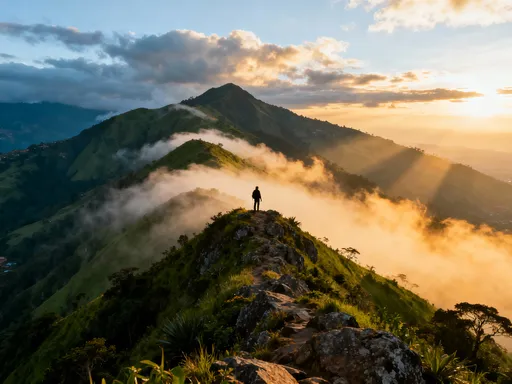
The physical effort is rewarded with sweeping views of the Rewa Province, Fiji’s largest river delta, and the distant outline of Ovalau Island. The air grows cooler at elevation, carrying the scent of wild ginger and damp earth. Along the way, guides often point out native plants—some used in traditional medicine, others in daily cooking. The journey feels timeless, as though the rhythm of walking and talking has changed little over generations.
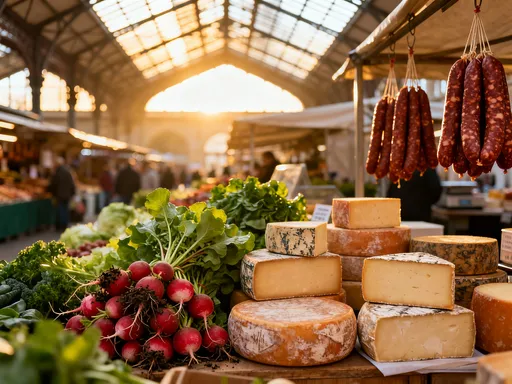
The climax of the hike comes not at the summit, but at the roadside market in Nausori, where hikers descend after several hours on the trail. This bustling open-air market lines both sides of the main road, shaded by canvas awnings and leafy trees. Stalls overflow with produce: pyramids of ripe mangoes, baskets of purple yams, and trays of golden pineapple. The smell of grilled cassava and coconut bread wafts from food vendors, mingling with the earthy aroma of kava root.
Shopping here is a tactile, sensory experience. Vendors accept only cash, usually in small denominations, and prices are modest. A bundle of dalo might cost FJD $2, while a handwoven bilum bag could be FJD $15. What matters more than the price is the interaction. Many sellers are happy to share stories—how the fabric was dyed with bark, or why this season’s yams are especially sweet. Children often hover nearby, curious but polite, sometimes offering a sample of fresh fruit. For hikers, this market is both a refueling stop and a cultural highlight—a chance to trade stories as easily as goods.
The Nausori market is also a vital economic hub for highland farmers. By purchasing directly from them, visitors support sustainable agriculture and community resilience. Unlike supermarket supply chains, every dollar spent here stays within the local economy. This is not incidental tourism—it is intentional travel, where the act of buying food or crafts becomes an act of solidarity.
What to Carry (And What to Avoid) on a Hike-Shop Adventure
Preparation is key to enjoying both the trail and the market safely and respectfully. The tropical climate of Suva demands thoughtful packing: temperatures hover between 26°C and 31°C year-round, with sudden afternoon showers common, especially during the wet season (November to April). Hikers should carry at least one liter of water per person, a lightweight rain jacket or poncho, and a hat for sun protection. Sturdy, closed-toe shoes with good grip are essential—many trails are muddy or rocky, and flip-flops are not suitable.
A reusable cloth bag is one of the most useful items to bring. Not only does it reduce plastic waste, but it’s perfect for carrying market purchases—fresh fruit, handmade crafts, or a wrapped bundle of kava. Because many vendors do not accept cards, carrying small bills (FJD $1, $2, $5, $10) is crucial. It’s also wise to keep money in a secure pocket or pouch, as some trails pass through remote areas with limited foot traffic.
On the cultural side, certain behaviors should be avoided. Taking photographs of people, especially in villages or markets, should only be done with permission. A simple smile and a nod can go a long way—many Fijians appreciate the gesture even if they don’t speak English. Haggling is not customary in local markets; prices are already fair, and pushing for a lower cost can be seen as disrespectful. Instead, buyers are encouraged to engage with vendors, ask about their products, and express genuine appreciation.
Overpacking is another common mistake. Some visitors arrive with large backpacks full of snacks and gear, only to find that the simplicity of the experience is diminished. The joy of a Suva hike-market journey lies in its minimalism: walking lightly, buying what you need, and being present. Leave room—both in your bag and in your mind—for unexpected moments, like an invitation to share a coconut or a spontaneous song from a group of children.
Supporting Local: How Your Hike Fuels Community Economies
Every step taken on Suva’s trails has the potential to create positive ripples in nearby communities. Unlike large-scale tourism that often channels profits through international chains, hiking to local markets ensures that economic benefits reach the people who need them most. When a visitor buys a woven mat from a village artisan or a basket of taro from a highland farmer, that money supports education, healthcare, and food security for entire families.
In recent years, several women’s cooperatives have emerged in the Suva hinterlands, training women in traditional crafts as a source of sustainable income. One such group, based in Nakasi, teaches weaving techniques passed down through generations. Members sell their bilum bags and mats at weekend markets, reinvesting profits into community projects like clean water systems and school supplies. By purchasing from these cooperatives, hikers contribute directly to gender equity and rural development.
Similarly, organic farming initiatives in the Nausori Highlands rely on market access to survive. Without the foot traffic generated by hikers and local buyers, many small farms would struggle to compete with imported goods. Tourists who choose to hike and shop consciously become part of a larger movement toward food sovereignty and environmental stewardship. Their presence validates the value of traditional knowledge and sustainable land use.
This form of tourism is not extractive—it is reciprocal. Visitors gain unforgettable experiences, while communities gain resources and recognition. There is no need for grand gestures; even a small purchase made with kindness and respect can make a difference. In this way, hiking in Suva becomes more than recreation—it becomes a quiet act of support, a way to honor the people who steward the land and keep culture alive.
Making the Most of Your Dual Adventure: Timing, Transport, and Tips
To fully enjoy the synergy between hiking and market culture in Suva, timing and planning are essential. The best days to embark on a hike-market journey are Saturdays and Sundays, when most village markets are active. Weekday visits may result in missed opportunities, as many vendors only set up stalls on weekends. Starting early—between 7:00 and 8:00 a.m.—allows hikers to complete their trek before the midday heat and arrive at markets when selection is freshest.
Transportation from Suva is straightforward. Public buses run regularly to Colo-i-Suva and Nausori, with stops near trailheads. Fares are low—typically under FJD $5 one way—and the rides offer a glimpse into daily Fijian life. For longer treks like the Nausori Highlands route, hiring a local guide through a reputable tour operator is recommended. Guides provide not only safety and navigation but also cultural context, helping visitors understand customs, language, and etiquette.
Returning to Suva before sunset is advisable, especially for solo travelers or those unfamiliar with rural roads. The last buses usually depart Nausori by 5:30 p.m., and trails become harder to navigate in low light. Carrying a small flashlight or headlamp is a wise precaution. Those staying overnight might consider homestays in villages, which offer deeper immersion and direct economic support to families.
Finally, the most important tip is to slow down. Resist the urge to rush from trail to market to bus stop. Sit for a while. Share a coconut. Let a conversation unfold. The magic of Suva’s hiking culture lies not in checking off destinations but in the moments between them—the shared silence on a ridge, the laughter at a market stall, the feeling of being welcomed not as a customer, but as a guest. When travel moves at the pace of human connection, it becomes something more lasting than memory. It becomes meaning.
In Suva, the path through the forest and the path through the market are not separate journeys. They are parts of the same story—one of resilience, creativity, and quiet generosity. To hike here is to walk with purpose, not just toward a view, but toward people. The trails do not merely lead to markets; they lead to understanding. And in that understanding, travelers find not just souvenirs, but a deeper sense of belonging. So lace up your boots, carry water, and step off the pavement. Let the footpaths guide you—not just through Fiji’s lush landscapes, but into the heart of its living culture. The market is waiting. The people are waiting. And the journey, in every sense, is the destination.