You Won’t Believe These Secret Spots in Daegu
Daegu isn’t just Korea’s fourth-largest city—it’s a hidden gem packed with chill vibes and unexpected leisure spots. I went in with low expectations, but wow, was I wrong. From rooftop cafes with skyline views to quiet temples tucked in the hills, Daegu offers a unique blend of relaxation and local charm. This is the side of the city most tourists miss. Let me show you the real, laid-back Daegu that locals love but rarely talk about.
Why Daegu Deserves More Travel Attention
Often overshadowed by Seoul’s glittering skyline or Busan’s coastal energy, Daegu remains one of South Korea’s most underappreciated urban destinations. Yet this inland city, nestled in the southeastern basin surrounded by gentle mountains, holds a quiet significance in the country’s cultural and economic landscape. As a historic center of textile production and agriculture, particularly known for its sweet persimmons and robust silk industry, Daegu blends tradition with modern resilience. Its location at the heart of the Yeongnam region makes it a natural crossroads for regional travel, yet it retains a distinctly local flavor untouched by mass tourism.
One reason Daegu flies under the radar is perception. Many international travelers assume Korea’s appeal lies solely in its megacities or seaside resorts, overlooking the rich textures of mid-sized urban life. But domestic tourism trends are shifting. According to data from the Korea Tourism Organization, overnight trips to non-capital regions increased by 17% between 2019 and 2023, with cities like Daegu, Gwangju, and Cheongju gaining popularity among Korean families and young professionals seeking quieter, more authentic getaways. These travelers are not chasing checklists—they’re searching for spaces where they can breathe, reflect, and reconnect.
What sets Daegu apart is its balance. It has the infrastructure of a major city—efficient public transit, clean streets, modern amenities—but without the relentless pace of Seoul. The pace here is measured, almost meditative. Locals sip barley tea in shaded plazas, elderly couples stroll through tree-lined parks, and students gather in tucked-away cafes reading novels or sketching in notebooks. There’s a sense that life unfolds at a human scale. For the mindful traveler, this offers a rare opportunity: to experience Korean urban culture not as a spectacle, but as a lived rhythm.
Additionally, Daegu’s seasonal climate enhances its appeal. While summers can be warm, the city’s mountainous surroundings provide natural cooling, and autumn brings crisp air and golden ginkgo trees lining its boulevards. Spring blossoms bloom early due to its southern latitude, making March and April ideal for leisurely exploration. With fewer tourists, accommodations remain affordable, and service feels personal rather than transactional. In an era where travel fatigue is real, Daegu presents a compelling alternative: a place to unwind, observe, and absorb.
Hidden Rooftop Cafes with City Views
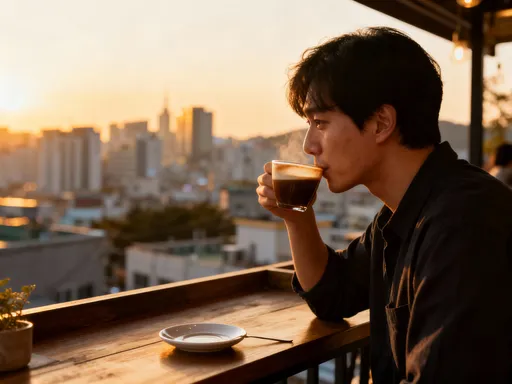
Perched above the quiet streets of downtown Daegu, a handful of rooftop cafes offer panoramic views that rival those of Seoul’s trendiest lounges—yet without the crowds or pretension. These spaces are not advertised on glossy travel blogs, nor do they rely on influencer buzz. Instead, they thrive on word-of-mouth, known mostly to local university students, remote workers, and long-time residents who value peace over popularity. One such spot, nestled atop a modest apartment complex near Jungangno Station, features a wooden deck with low tables, string lights, and unobstructed views of the city’s layered rooftops stretching toward the horizon.
The atmosphere is intentionally understated. Guests remove their shoes before stepping onto the tatami-style seating area, where cushions and floor pillows encourage lounging. The menu focuses on hand-dripped coffee, herbal infusions, and homemade rice cakes sweetened with honey and red bean paste. Baristas move slowly, deliberately—there’s no rush to turn tables. This is not a place to check emails or take selfies; it’s designed for lingering, watching the sky shift from blue to lavender as evening approaches. On clear days, the silhouette of Palgongsan Mountain appears in the distance, a soft reminder of nature’s presence even in the urban core.
What makes these rooftop oases special is their accessibility and intimacy. Unlike commercial sky bars that require reservations and dress codes, these spots welcome visitors casually. Some operate on an honor system, where guests write down their orders on a clipboard and leave payment in a wooden box. Others are attached to small bookshops or art studios, blurring the line between leisure and creativity. The best time to visit is late afternoon, around 4:30 to 6:00 p.m., when the sun casts a golden glow across the skyline and the city hums at a comfortable decibel level.
Finding these hidden gems requires a bit of local insight. While they rarely appear on international map apps, Korean platforms like Naver Maps often list them under keywords like “rooftop garden” or “view cafe.” Asking at neighborhood guesthouses or small hostels can also yield recommendations. Some locals suggest exploring alleyways behind main shopping streets, where unmarked staircases lead upward to unexpected terraces. The experience isn’t about luxury—it’s about discovery, about stepping into a space that feels personal, almost secret. In a world of overexposed destinations, these rooftop retreats offer something increasingly rare: quiet joy.
Peaceful Temple Stays and Mountain Escapes
Just a short bus ride from central Daegu lies Donghwasa Temple, a serene Buddhist monastery nestled in the forested slopes of Palgongsan Mountain. Unlike the more tourist-heavy temples near Seoul, Donghwasa maintains a contemplative atmosphere, drawing pilgrims, meditation seekers, and local families looking for a day of quiet reflection. The path to the temple winds upward through towering pines and stone lanterns, with the sound of wind chimes and distant chanting creating a natural soundtrack. For visitors seeking mental clarity or emotional reset, this is not just a sightseeing stop—it’s a sanctuary.
The temple offers an overnight stay program known as *temple stay*, where guests participate in morning prayers, meditation sessions, and simple vegetarian meals prepared by resident monks. The schedule is gentle, beginning at 7:00 a.m. with a walking meditation through the dew-covered grounds. There are no rigid rules or religious expectations—just an invitation to slow down, breathe deeply, and observe. Participants often describe a profound sense of calm, not because of any dramatic ritual, but because of the cumulative effect of silence, routine, and connection to nature.
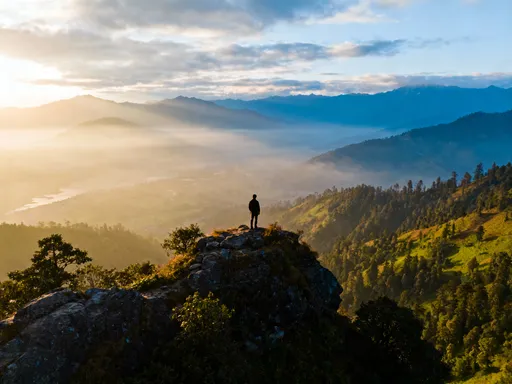
For those who prefer a day visit, the surrounding trails offer equally restorative experiences. The Dosolsan Mountain trail, accessible from the northern edge of the city, provides a moderate hike with rewarding views. Marked paths wind through oak and maple forests, passing small shrines and rock carvings inscribed with ancient sutras. Benches placed at scenic overlooks invite rest and reflection. Because these trails are primarily used by locals, they remain uncrowded even on weekends. Birdsong replaces traffic noise, and the air carries the scent of moss and damp earth.
Combining cultural immersion with physical activity creates a powerful sense of renewal. Studies have shown that spending time in forested areas—known in Korea as *sanlimyok* or “forest healing”—can reduce cortisol levels and improve mood. In Daegu, this isn’t a marketed wellness trend; it’s simply part of daily life. Whether sitting cross-legged in a temple hall or pausing on a mountain bench to sip warm barley tea, visitors engage in a holistic form of relaxation that integrates body, mind, and environment. These experiences don’t demand performance—they invite presence.
Local-Only Markets with Leisure Vibes
Seomun Market, one of Korea’s oldest and largest traditional markets, is often described in travel guides as a place to shop for textiles or taste street food. But beyond the stalls of dried fish and handmade socks lies a quieter truth: Seomun is also a social hub, a place where people come not just to buy, but to be. Unlike the bustling Noryangjin Fish Market in Seoul or Gukje Market in Busan, Seomun has carved out spaces for rest and conversation. Scattered throughout its labyrinthine alleys are small tea houses, wooden seating areas, and shaded corners where elderly vendors chat over thermoses of ginseng tea.
What makes Seomun unique is its rhythm. Vendors know their regulars by name, and transactions often begin with a question about family or health. A woman selling handmade kimchi might invite a visitor to sit and sample a new batch, offering a small plate with radish water kimchi and a spoon. Nearby, a retired teacher runs a tiny tea stall specializing in omija (five-flavor berry) infusion, served in hand-thrown ceramic cups. These interactions aren’t performances for tourists—they’re genuine moments of human connection woven into the fabric of daily commerce.
The market’s layout encourages lingering. Wide corridors allow for easy walking, and periodic open plazas host folding tables and chairs where groups gather to eat, read, or simply watch the world pass by. Some stalls sell pre-packaged meals that can be heated on-site, allowing visitors to create impromptu picnics. The food itself—steamed mandu, hot tteokbokki, fresh persimmon juice—is comforting, familiar, and deeply satisfying. There’s no pressure to move quickly, no lines snaking around corners. Time moves differently here.
Compared to the sensory overload of larger markets, Seomun feels balanced. It preserves tradition without romanticizing it, modernizing just enough to remain functional while retaining its soul. For the mindful traveler, it offers a rare glimpse into how Koreans naturally blend utility and leisure. Shopping becomes an act of participation, not consumption. And in that shift—from buyer to guest—the experience transforms. You’re not just observing culture; you’re welcomed into it, even if only for an hour.
Under-the-Radar Parks and Riverfront Hangouts
Following the gentle curve of the Geumho River, Daegu’s riverside park system forms a green ribbon that stitches the city together. Unlike the formal gardens of European capitals or the manicured lawns of American urban parks, these spaces feel organic, almost accidental in their charm. Paths meander without strict symmetry, benches appear in clusters beneath willow trees, and patches of wildflowers bloom along the banks. This is not a park designed for grand events or photo shoots—it’s built for everyday use, for the woman walking her dog at dawn, the grandfather practicing tai chi, or the college student reading under an umbrella.
One of the most peaceful stretches runs between Duryu Bridge and Suseongmot Lake, where bike rentals are available for a small fee. Cycling along the paved trail, you pass fishermen casting lines into the slow-moving water, couples sharing fruit from paper cones, and children flying kites shaped like dragons. Sunset is a particularly magical time, when the river reflects the amber sky and the city lights begin to flicker on. Designated viewing platforms, often equipped with wooden railings and informational plaques about local birds, offer perfect spots to pause and absorb the moment.
City planning has played a quiet but important role in making these spaces accessible. Wide sidewalks, shaded rest areas, and frequent signage in both Korean and English ensure that visitors can navigate easily. Public restrooms are clean and well-maintained, a small but meaningful detail that enhances comfort. The integration of art—such as mosaic tile murals depicting local history or sculptures made from recycled materials—adds subtle points of interest without overwhelming the natural setting.
These parks are ideal for low-key activities that nourish the spirit. Bring a book, a sketchpad, or a journal. Sit on the grass and listen to the rustle of leaves. Share a thermos of sweet corn tea with a friend. There’s no agenda, no pressure to document or post. In a world that often equates productivity with worth, these spaces quietly affirm the value of doing nothing—of simply being. For mothers on break from busy households, for retirees enjoying newfound freedom, for anyone craving stillness, the riverfront offers a gentle invitation: slow down, breathe, stay awhile.
Unique Cultural Spaces That Double as Relaxation Zones
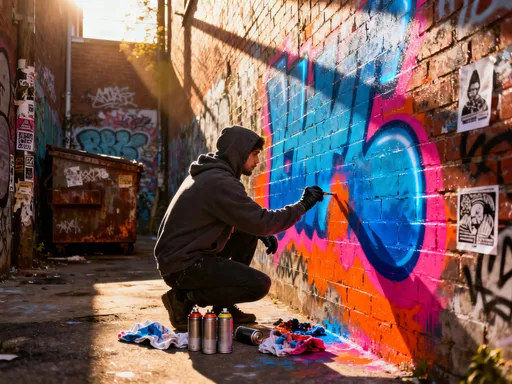
Daegu’s creative transformation is most visible in its repurposed industrial spaces, where old factories and textile workshops have been reimagined as cultural lounges, art studios, and community centers. One standout example is Duryu Art Street, a narrow lane once lined with shuttered dye houses, now alive with murals, pop-up galleries, and small cafes serving artisanal coffee. Artists rent studios here at affordable rates, often leaving doors open so passersby can peek inside at paintings in progress or ceramic pieces drying on shelves.
These spaces are not curated for tourists—they exist because locals created them for themselves. A former silk warehouse now hosts weekly poetry readings and acoustic music nights, its brick walls softened by hanging plants and warm lighting. Another building houses a community book exchange, where visitors can leave a novel and take another in return, no questions asked. The vibe is inclusive, unhurried, and deeply human. You won’t find price tags on every item or staff monitoring your every move. Trust is built into the design.
What makes these spots so relaxing is their authenticity. There’s no forced theme, no attempt to replicate Tokyo’s Harajuku or Paris’s Montmartre. Instead, they reflect Daegu’s own identity—industrial heritage blended with quiet creativity. Visitors are free to wander, observe, and participate at their own pace. A woman might spend an hour watching a potter shape clay on a wheel, then buy a handmade mug simply because it feels right in her hands. A family might stumble upon a children’s drawing workshop and join in, crayons in hand.
These cultural pockets serve a deeper purpose: they restore a sense of ownership over public space. In cities where commercialization often pushes out grassroots expression, Daegu’s art alleys and community hubs prove that creativity can thrive without spectacle. For the traveler, they offer a chance to connect not with a curated version of culture, but with its living, breathing form. You don’t need to be an artist to belong here—just someone willing to pause, look closely, and appreciate the beauty of ordinary reinvention.
How to Plan Your Own Low-Key Daegu Getaway
Planning a relaxing escape to Daegu begins with mindset. Forget checklists and打卡 (da-ka, “check-in”) culture. This is not a destination for ticking off landmarks, but for tuning in—to your breath, your senses, the rhythm of a city that moves at its own pace. The best time to visit is during spring (March to May) or autumn (September to November), when temperatures are mild and the city’s trees burst into color. Summer can be warm, but early mornings and evenings remain pleasant, especially near the river or in the mountains.
Getting around is simple. Daegu’s subway system is clean, efficient, and well-marked in English. Lines 1 and 2 connect major areas, including Jungangno, Seomun Market, and Duryu Park. Buses fill in the gaps, and many destinations—especially along the river or in the downtown core—are easily walkable. For longer stretches, bike rentals are available at designated stations and cost less than $2 per hour. Taxis are affordable and drivers generally honest, though having your destination written in Korean can help avoid confusion.
A suggested two-day itinerary might begin with a morning visit to Donghwasa Temple, followed by lunch at a local restaurant serving dak galbi (spicy stir-fried chicken). Afternoon could be spent exploring Seomun Market’s quieter corners, ending with sunset drinks at a rooftop cafe. Day two might include a bike ride along the Geumho River, a stop at Duryu Art Street, and a quiet dinner at a family-run hanjeongsik (Korean set meal) restaurant. The key is to leave room for spontaneity—lingering at a tea stall, following a path that looks interesting, accepting an invitation from a friendly local.
Packing light is advisable. Bring comfortable walking shoes, a reusable water bottle, and a small tote for market finds. A notebook or sketchpad enhances the reflective mood. Most importantly, pack the intention to slow down. Silence your phone, resist the urge to photograph everything, and allow yourself to be present. Daegu rewards those who listen more than they speak, who observe more than they consume. This isn’t about collecting experiences—it’s about absorbing them.
Conclusion
Daegu proves that you don’t need crowds or hype to have a meaningful travel experience. Its quiet cafes, peaceful temples, and local hangouts offer something rare: authenticity without performance. By choosing lesser-known spots, travelers gain deeper connections with a city’s rhythm. In a world that glorifies speed, Daegu invites you to pause. Next time you plan a Korean trip, skip the checklist—explore the unnoticed. The best moments often happen off the map.