This Is What Happens When You Actually Check In to Melbourne’s Hidden Vibes
You know that feeling when a city surprises you? Melbourne did exactly that. I went in expecting coffee and trams, but found something deeper — lanes humming with street art, markets alive with flavor, and neighborhoods that feel like secrets. This isn’t just a travel recap; it’s a real check-in on what makes Melbourne pulse. From hidden courtyard bars to sunrise walks along the Yarra, let me take you through the moments that turned a simple trip into a full sensory experience.
First Impressions: Beyond the Postcard
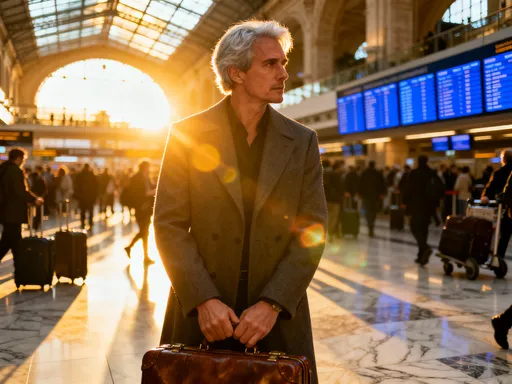
Arriving in Melbourne through Southern Cross Station, the city greets you not with grandeur, but with rhythm. The hum of trams gliding past, the scent of roasted coffee drifting from nearby cafés, and the quiet chatter of commuters set a tone unlike any other Australian metropolis. What strikes visitors first is the absence of overt spectacle — no towering skyline dominates the horizon, no single monument demands attention. Instead, Melbourne reveals itself in layers, beginning with the subtle contrast between modern glass towers and 19th-century arcades that line the central business district. This architectural duality mirrors the city’s character: forward-thinking yet deeply rooted in history, cosmopolitan but never impersonal.
Walking from the station into Flinders Street, one begins to sense the city’s creative undercurrent. Street performers gather near the iconic yellow clock, musicians tune their instruments beneath the拱形 railway, and artists sketch passersby on park benches. These moments are not staged for tourism; they are part of Melbourne’s daily breath. The city does not perform — it lives. This authenticity shapes the traveler’s experience from the very first step. Unlike destinations that rely on curated attractions, Melbourne invites exploration through observation, rewarding those who pay attention to small details — a mural tucked behind a stairwell, a handwritten sign advertising a pop-up bakery, the way locals nod as they pass each other on quiet laneways.
What sets Melbourne apart is how effortlessly it balances urban density with human scale. Buildings rarely soar beyond ten stories in the core, allowing sunlight to reach the streets and preserving a sense of intimacy. Wide sidewalks, tree-lined avenues, and frequent public plazas encourage walking and lingering. Even during weekday mornings, the pace feels measured — people stop to chat, pause at flower stalls, or sip coffee while reading the paper. This deliberate slowness is not laziness; it is a cultural value. Visitors who expect fast-paced city energy may initially find Melbourne subdued, but those who adjust their rhythm begin to notice the richness beneath the surface. First impressions here aren’t formed by landmarks, but by atmosphere — and that atmosphere is one of quiet confidence, creative energy, and inclusive warmth.
The Pulse of Laneways: Where Culture Lives
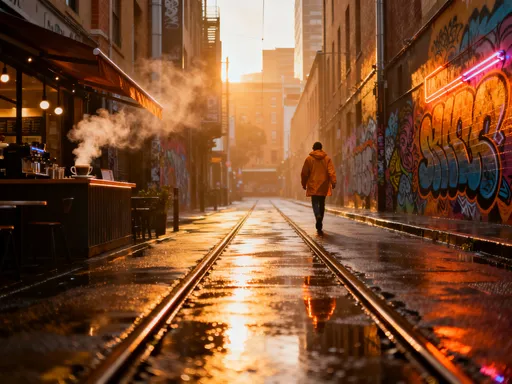
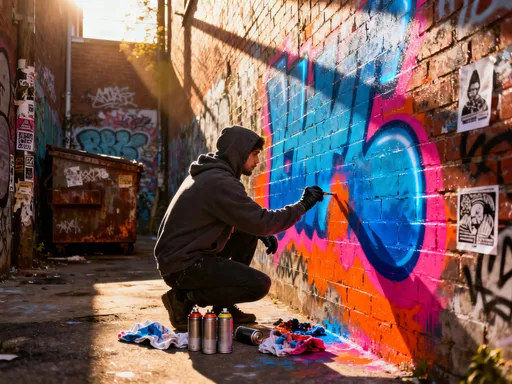
Melbourne’s laneways are more than alleys — they are arteries of culture. Hosier Lane, perhaps the most photographed laneway in Australia, pulses with ever-changing murals that transform the walls into a living gallery. Artists repaint over existing works, creating a dynamic dialogue across time and style. What was a political stencil one week becomes a surrealist dreamscape the next. This constant evolution reflects the city’s embrace of impermanence and creativity. But beyond the Instagram fame, the laneways reveal a deeper truth: art here is not confined to museums. It belongs to the streets, accessible to all, free from gatekeeping or admission fees.
Just steps away, AC/DC Lane pays homage to the legendary rock band with electric guitar-shaped signs and concert posters pasted like historical records. Yet, even here, the space feels lived-in rather than commercialized. Buskers strum guitars in the corners, and café staff sweep paint chips from doorsteps without disturbing the artwork. The city supports this organic expression through policies that designate certain lanes as legal graffiti zones, allowing artists to work without fear of prosecution. This balance between regulation and freedom ensures that street art remains authentic rather than becoming a sanitized tourist attraction.
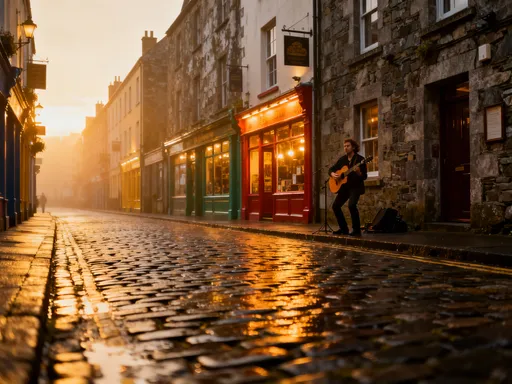
Lesser-known passages like Centre Place or Blender Lane offer quieter encounters with Melbourne’s creative soul. Tucked between office buildings and boutique stores, these narrow corridors host tiny eateries, independent bookshops, and hidden bars accessed through unmarked doors. One might stumble upon a violinist playing Bach beneath a neon sign, or a poet reading verses during lunch hour. These spontaneous performances thrive because the city’s design encourages chance encounters. Unlike rigidly planned entertainment districts, Melbourne’s laneways grow naturally, shaped by local initiative and community use.
Yet, with popularity comes tension. Some worry that tourism is diluting the authenticity of these spaces. Crowds gather daily to photograph Hosier Lane, sometimes blocking access for residents or disrupting nearby businesses. In response, the city has introduced guided walking tours led by local artists, redirecting foot traffic and providing context for the artwork. These efforts help maintain respect for the creative process while still welcoming visitors. The lesson is clear: culture cannot be preserved by locking it away, but by engaging with it responsibly. When travelers take time to understand the stories behind the murals — the social messages, the personal expressions, the community collaborations — they become participants rather than spectators.
Coffee Culture That Runs Deep
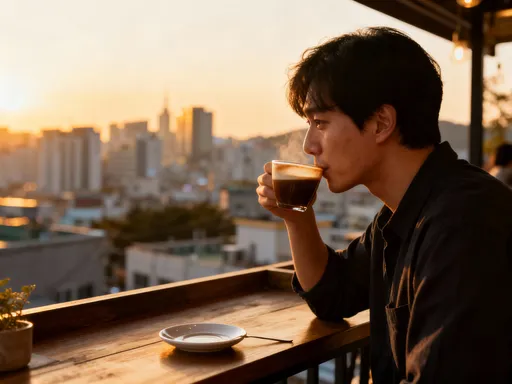
Melbourne’s reputation as a coffee capital is not hype — it is heritage. Here, coffee is not a commodity; it is a craft, approached with the precision of a scientist and the passion of an artist. A morning walk through any inner suburb reveals this truth: baristas tamp espresso grounds with focused intensity, steam wands hiss in perfect rhythm, and customers wait patiently, knowing that quality cannot be rushed. The flat white, a staple of Melbourne cafés, is not merely a drink — it is a standard. A well-made one features velvety microfoam blended seamlessly into rich, dark espresso, served in a warmed ceramic cup that enhances both aroma and temperature.
Specialty roasteries like Degraves Street Espresso or Patricia Coffee Brewers operate with minimalist efficiency, often serving customers at standing counters to emphasize speed and simplicity. Yet, despite the fast pace, conversation flows easily. Baristas remember regulars’ orders, ask about their weekends, and occasionally offer samples of new bean blends sourced from small farms in Ethiopia or Colombia. This personal connection transforms coffee into more than fuel — it becomes a daily ritual of belonging. For visitors, participating in this ritual offers a genuine entry point into local life. Ordering a coffee here is not transactional; it is relational.
The city’s coffee culture extends beyond individual cafés into a broader network of suppliers, educators, and competitors who collectively raise the bar. Melbourne hosts annual events like the Melbourne International Coffee Expo, where roasters, baristas, and café owners gather to share innovations and techniques. Training programs at institutions like the Australian Coffee School ensure that new generations enter the field with both technical skill and ethical awareness, particularly regarding sustainable sourcing and fair trade practices. This ecosystem supports consistency across thousands of venues, making exceptional coffee not a rare find but an everyday expectation.
For the traveler, embracing Melbourne’s coffee rhythm means adjusting expectations. Waiting ten minutes for a single cup may seem excessive elsewhere, but here it is normal. Skipping the drive-thru (which is nearly nonexistent) and stepping into a neighborhood café allows immersion in the city’s tempo. It also opens doors to unexpected discoveries — a recommendation for a nearby bookstore, a tip about a morning market, or an invitation to a pop-up tasting event. In Melbourne, coffee is not just consumed — it connects. And in a world where digital interactions often replace face-to-face contact, these small moments of human exchange carry profound value.
Markets That Tell Stories
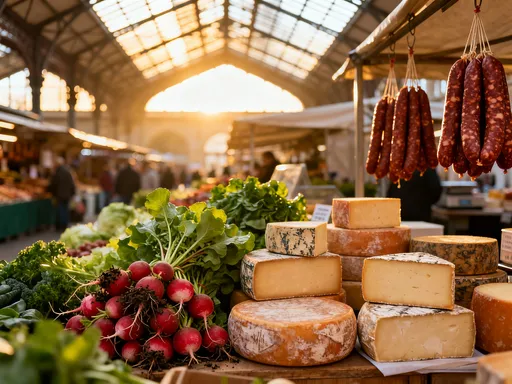
No place captures Melbourne’s multicultural spirit more vividly than Queen Victoria Market. Spread across seven hectares in the northern edge of the CBD, this historic marketplace has operated since 1878, making it the city’s oldest and largest open-air market. Visitors are immediately immersed in a sensory cascade: the tang of fresh citrus, the sizzle of sausages on outdoor grills, the vibrant colors of seasonal produce piled high on wooden crates. But beyond the postcard-perfect displays lies a deeper narrative — one of migration, resilience, and community.
Many vendors are descendants of immigrants who arrived in the mid-20th century, bringing culinary traditions from Italy, Greece, Vietnam, and Lebanon. Generations later, their families continue to run stalls, preserving recipes and techniques passed down through decades. A woman selling handmade dolma might share how her grandmother prepared them during wartime, while a cheesemaker demonstrates a method learned from Alpine villages in northern Italy. These stories are not rehearsed performances; they emerge naturally in conversation, offered only to those who take the time to listen.
The market’s layout reflects its organic growth — aisles curve unpredictably, specialty sections blend into one another, and hidden corners reveal unexpected treasures. The Dairy Produce Hall houses artisanal cheeses and fresh milk, while the Meat Hall features locally sourced lamb and free-range poultry. The Open Air Fruit and Vegetable section bursts with seasonal abundance: crisp apples from Mornington Peninsula, heirloom tomatoes from Gippsland, and fragrant herbs tied in bundles. Nearby, the Deli Hall offers international flavors — Turkish pastries, Polish sausages, Japanese pickles — each bite a passport stamp to another culture.
Beyond Queen Vic, smaller markets like the South Melbourne Market and Prahran Market provide equally authentic experiences with fewer crowds. These neighborhood hubs function as community centers as much as shopping destinations. Parents push strollers while picking up sourdough bread, retirees meet for coffee at shared tables, and chefs scout for rare ingredients. Vendors often donate unsold goods to local food charities, reinforcing a sense of social responsibility. For travelers, visiting these markets is not just about buying souvenirs or tasting food — it is about witnessing the rhythm of daily life. When you purchase a jar of house-made chutney or accept a free sample of halva, you are not just a customer; you are welcomed into a living tradition.
Nature Meets City: Parks, Paths, and River Escapes
Melbourne understands that a great city must breathe. Amid its urban fabric, green spaces thrive — not as afterthoughts, but as essential components of city life. The Royal Botanic Gardens, stretching along the southern bank of the Yarra River, offer 38 hectares of curated tranquility. Paths wind beneath towering eucalyptus trees, past lily ponds and indigenous plant collections, leading to quiet benches with views of the city skyline. Locals jog, meditate, or read beneath the shade, while visitors wander in quiet awe. The gardens are not just beautiful — they are educational, with signage explaining Aboriginal land use, conservation efforts, and seasonal blooms.
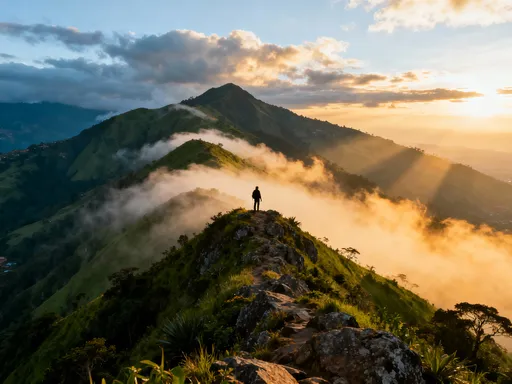
The Yarra River itself serves as a natural spine through the city. The Main Yarra Trail, a paved pathway extending over 30 kilometers, invites walking, cycling, and rollerblading along its banks. At sunrise, the river glows amber, reflecting the awakening city. Kayakers glide silently downstream, while birdwatchers scan the reeds for ibises and spoonbills. Along the trail, rest stops with drinking fountains, bike repair stations, and shaded seating demonstrate thoughtful infrastructure. These details matter — they make nature accessible without sacrificing comfort or safety.
Inner-city parks like Fitzroy Gardens and Carlton Gardens provide smaller oases within dense neighborhoods. Historic conservatories, ornamental fountains, and playgrounds create spaces for relaxation and play. During weekends, families picnic under gum trees, children chase butterflies, and musicians play acoustic sets near garden entrances. These parks are not manicured to perfection; they allow for messiness, for leaves to fall, for dogs to bark — because real life happens here.
What makes Melbourne’s integration of nature remarkable is its consistency. Unlike cities where green spaces are isolated or difficult to reach, Melbourne ensures connectivity. Tram lines stop near park entrances, bike lanes link trails to residential areas, and signage guides pedestrians seamlessly from urban streets to natural pathways. This design philosophy reflects a belief that access to nature is not a luxury — it is a right. For travelers, spending time in these spaces offers balance. After hours of exploring galleries and cafés, a walk through the botanic gardens or a bike ride along the Yarra restores clarity and calm. It reminds us that cities can be both vibrant and restorative, energetic and peaceful — not in opposition, but in harmony.
Nightlife With Soul: From Hidden Bars to Live Music
Melbourne’s nightlife resists definition — it refuses to be reduced to clubs or bars alone. Instead, it unfolds in intimate spaces: basement jazz lounges where pianists play original compositions, rooftop bars with views of lit-up laneways, and unmarked-door cocktail dens where bartenders craft drinks based on your mood. These venues share a common thread — they prioritize experience over spectacle, connection over crowd size. There is no VIP section, no bottle service, no pressure to perform. You come not to be seen, but to feel.
The city’s love affair with live music runs deep. Venues like the Melbourne Recital Centre host classical ensembles, while pubs in Northcote and Brunswick feature indie bands testing new material. Blues, jazz, folk, electronic — every genre finds a home. Many shows are affordable, often free, ensuring that music remains accessible rather than exclusive. This inclusivity stems from a long tradition: Melbourne has consistently ranked among the world’s most livable cities, and its cultural policies reflect that commitment. Grants support emerging artists, noise regulations accommodate late-night performances, and urban planning protects existing venues from displacement due to development.
Behind the scenes, ethical considerations shape the nightlife experience. Overcrowding, exploitation, and excessive alcohol consumption are taken seriously. Responsible service of alcohol is enforced, security staff are trained in de-escalation, and public transport operates late on weekends to reduce drunk driving. These measures do not stifle fun — they protect it. Visitors can enjoy a night out knowing that safety and respect are prioritized.
For the curious traveler, discovering Melbourne’s nightlife is a treasure hunt. A password might be required for a speakeasy, or a hidden staircase could lead to a jazz trio playing standards from the 1950s. These moments of discovery are not gimmicks — they reward attention, curiosity, and a willingness to engage. In a world of algorithm-driven experiences, Melbourne’s nightlife feels refreshingly human. It does not chase trends; it cultivates atmosphere. And in that atmosphere, strangers become conversation partners, songs become memories, and nights become stories worth retelling.
Neighborhood Journeys: From Fitzroy to St Kilda
To know Melbourne is to know its neighborhoods — each with its own identity, rhythm, and soul. Fitzroy, just northeast of the CBD, pulses with bohemian energy. Victorian terraces painted in bold colors line streets dotted with vintage clothing stores, independent galleries, and hole-in-the-wall cafés. The area has long been a haven for artists, musicians, and activists, and though gentrification has brought changes, its creative spirit endures. Smith Street, once lined with punk venues, now hosts diverse restaurants — Ethiopian, Thai, modern Australian — reflecting the neighborhood’s evolving character.
St Kilda, on the other hand, breathes seaside charm. Just a tram ride from the city center, it offers wide ocean views, a historic pier, and a relaxed pace. The Esplanade Market runs every Sunday, showcasing handmade jewelry, ceramics, and textiles. Locals walk dogs along the beachfront, children fly kites on windy afternoons, and dolphins are sometimes spotted offshore. While tourism plays a role here, the area remains residential at heart. Families have lived in St Kilda for generations, and community events — outdoor cinema nights, beach cleanups, music festivals — foster lasting connections.
South Yarra and Prahran represent a different energy — cosmopolitan, stylish, and fast-paced. Chapel Street buzzes with boutique shopping, upscale dining, and fitness studios. Yet even here, pockets of authenticity remain: a family-run Italian deli, a decades-old bookstore, a hidden courtyard café. The key to enjoying these areas is intentionality. Rather than chasing trends, visitors can seek out the enduring — the places that have survived decades because they serve the community, not just customers.
Getting around these neighborhoods is part of the experience. Melbourne’s tram network is one of the most extensive in the world, with routes covering nearly every major suburb. The free City Circle Tram loops through the CBD, offering sightseeing without cost. For those who prefer walking, well-marked pedestrian paths and frequent crossing signals make navigation safe and intuitive. Choosing where to stay depends on what kind of experience you seek: proximity to nightlife, access to nature, or immersion in local culture. But no matter the choice, each neighborhood offers a window into Melbourne’s layered identity — a city that is never just one thing, but many.
Melbourne isn’t just visited — it’s felt. The city rewards those who check in, not just show up. By slowing down, engaging locally, and following curiosity, travelers gain more than sights; they gain connection. This is what modern travel should be: authentic, layered, and alive. Where will your next check-in take you?