You Won’t Believe These Hidden Wildlands Just Outside Tripoli
When I first arrived in Tripoli, I expected ancient ruins and bustling souks—but not wild, untouched nature just beyond the city. Libya’s protected areas are quiet, vast, and breathtakingly beautiful. Few travelers know they exist. I explored coastal reserves, desert sanctuaries, and rare ecosystems that thrive against the odds. This isn’t just survival—it’s resilience. If you're seeking raw, authentic landscapes far from crowds, Tripoli’s natural secrets are waiting. These spaces offer more than scenic beauty; they represent a delicate balance between tradition, ecology, and quiet endurance. For those willing to look past the well-trodden path, the wildlands surrounding Libya’s capital reveal a side of the country rarely seen by outsiders—a land where nature persists with dignity and grace.
First Glimpse: Discovering Nature Beyond the City
The moment you leave Tripoli’s bustling streets, a different world unfolds. Just minutes from the clamor of traffic and markets, the air grows still, the skyline clears, and the land stretches into open horizons. It is here, in the quiet transition between urban life and wilderness, that one begins to appreciate the hidden natural wealth of this region. What surprises most visitors is not just the existence of green spaces near a North African capital, but their scale and serenity. Protected zones—designated for conservation, though often underfunded and overlooked—form a network of ecological refuges that cradle rare species and ancient landscapes.
These areas are not parks in the conventional sense. They lack the manicured lawns and interpretive signs common in Western countries. Instead, they are wild by design—untamed, minimally managed, and deeply connected to local ways of life. Some are former grazing lands now set aside for ecological recovery; others are coastal strips preserved for their role in stabilizing dunes and sheltering migratory birds. Their value lies not in spectacle but in function: filtering water, anchoring soil, and supporting biodiversity in a climate that grows increasingly unpredictable.
Why are these places so little known? International travel advisories have long discouraged tourism in Libya, and even before recent decades of instability, environmental tourism was not a national priority. As a result, these reserves remain off global travel maps, visited mostly by local families on weekend outings or shepherds moving livestock along traditional routes. There is no commercial infrastructure—no visitor centers, few marked trails, and limited signage. Yet this very obscurity has helped protect them from overdevelopment and mass tourism, preserving their authenticity in a way that more famous destinations have lost.
The Coastal Guardians: Marine and Wetland Reserves Near the Mediterranean
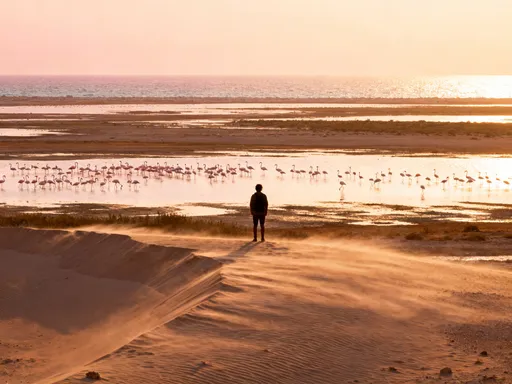
Along Tripoli’s Mediterranean coastline, a chain of wetlands and coastal dunes plays a crucial role in sustaining life. These are not dramatic cliffs or turquoise bays, but subtle, functional landscapes—salt marshes where reeds sway in the breeze, tidal flats that glisten at low tide, and dune systems held together by deep-rooted grasses. Though easily overlooked, these ecosystems are vital. They serve as nurseries for fish, buffers against storm surges, and filtration systems that purify runoff before it reaches the sea. More than 80 bird species have been observed in these zones, including greater flamingos, slender-billed gulls, and the endangered Mediterranean slender-billed curlew, which uses the area as a seasonal stopover during migration.
One of the most significant sites lies just east of the city, where a shallow lagoon forms a natural sanctuary. At dawn, the water reflects the sky in soft pinks and golds, and flocks of wading birds move silently through the shallows. Local fishermen know this place well; they avoid disturbing the core zones, understanding that healthy wetlands mean healthier fish stocks. Sea turtles, particularly the endangered loggerhead, have been documented nesting on nearby beaches, though such events remain rare and closely monitored. Conservationists work quietly to protect these sites, often in partnership with coastal communities who have lived alongside them for generations.
Access to these areas is generally unrestricted, but not widely advertised. Visitors can enter through informal paths or follow dirt tracks leading from coastal roads. The lack of formal entry points means that awareness of rules—such as staying on footpaths or avoiding nesting zones—is essential. Some areas are marked with simple signs in Arabic, warning against littering or disturbing wildlife. While facilities are minimal, the raw beauty of these places lies in their simplicity. A single bench under an acacia tree, the sound of wind through reeds, the distant cry of a heron—these are the quiet rewards of visiting Libya’s coastal guardians.
Into the Hinterland: Protected Steppe and Scrubland Ecosystems
South of Tripoli, the land rises gently into open steppe and scrubland—vast, rolling plains that stretch toward the horizon. These semi-arid ecosystems receive limited rainfall, yet they support a surprising variety of life. Hardy shrubs like Artemisia herba-alba and Retama raetam dot the landscape, their deep roots tapping into hidden moisture. In spring, the plains burst into color as wildflowers bloom—purple thistles, yellow chamomile, and delicate desert hyacinths carpeting the earth for a brief, brilliant season. These fleeting displays attract pollinators and provide forage for small mammals and birds, creating a brief but vital pulse of abundance.
Despite their apparent emptiness, these areas are ecologically rich. They serve as corridors for wildlife movement, connecting coastal zones with more arid interior regions. Some patches are officially designated as protected steppe reserves, though enforcement is limited. Overgrazing by livestock remains a challenge, as traditional pastoralism continues in the region. While grazing is not inherently harmful, unregulated pressure can degrade vegetation cover, leading to soil erosion and reduced biodiversity. Climate change adds further stress, with rising temperatures and irregular rainfall patterns threatening the delicate balance of these ecosystems.
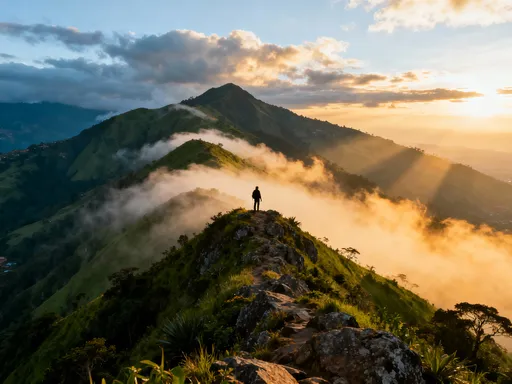
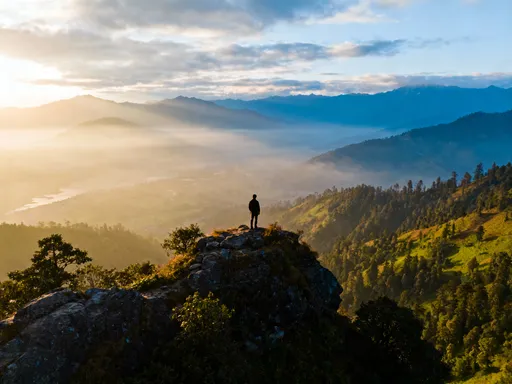
Yet, there is a profound beauty in their stillness. The silence here is not empty but full—of wind, distant bird calls, and the rustle of dry grass. The sky dominates the view, vast and unbroken, changing hue from pale blue at midday to deep indigo at dusk. For visitors, these landscapes offer a rare chance to experience solitude and reflection. There are no crowds, no distractions—only the rhythm of nature unfolding at its own pace. Conservation efforts focus on sustainable land use, working with local herders to establish rotational grazing plans and protect key plant species from overharvesting.
Desert Sanctuaries: How Life Persists in Libya’s Arid Zones
Further from the city, the terrain grows more austere—rocky plateaus, gravel plains, and isolated wadis where water flows only after rare rains. These desert margins are among the most resilient ecosystems on Earth. Life here is not abundant, but it is tenacious. Small rodents like the Libyan jird and the lesser Egyptian jerboa burrow into the sand to escape the heat. Reptiles such as the desert monitor lizard and the horned viper move silently across the stones, adapted to extreme temperatures and scarce water. Rare mammals, including the fennec fox with its oversized ears for heat regulation, leave faint tracks in the dust—evidence of a hidden, nocturnal world.
These areas are not open to casual exploration. Access is regulated, often requiring permission from local authorities or conservation groups. The goal is not exclusion, but protection—ensuring that fragile desert soils are not damaged by off-road vehicles and that wildlife is not disturbed. Some zones are part of larger conservation initiatives aimed at preserving biodiversity in arid regions. Traditional knowledge plays a key role; Bedouin communities have long understood how to move through the desert without depleting its resources, using seasonal patterns and natural indicators to navigate and survive.
For the careful visitor, these sanctuaries offer a unique kind of peace. The desert is not barren—it is stripped down to essentials. The clarity of the air, the sharpness of the stars at night, the quiet that follows the wind’s lull—these create a sense of spiritual calm that few other landscapes can match. It is a place for contemplation, for reconnecting with the fundamentals of existence. Conservation here is not just about protecting species, but about preserving a way of being in the world—one that values restraint, patience, and deep observation.
Conservation in Context: How Libya Protects Its Natural Heritage
Libya’s approach to environmental protection is shaped by both its ecological diversity and its complex social and political landscape. The country has established a number of protected areas under national law, covering coastal zones, steppe regions, and desert ecosystems. These designations are supported by a framework of environmental regulations, though implementation varies due to limited resources and infrastructure. In recent years, there have been efforts to strengthen conservation through regional cooperation, including participation in Mediterranean environmental initiatives and collaboration with United Nations agencies such as UNEP.
One of the most promising developments is the growing recognition of community-based conservation. In several areas near Tripoli, local residents are involved in monitoring wildlife, managing grazing, and guiding visitors. This approach acknowledges that long-term protection depends on the support and participation of people who live closest to these lands. Training programs have been introduced to help community members become stewards of their natural heritage, combining traditional knowledge with modern conservation science.
Challenges remain. Tourism development is minimal, which helps preserve the integrity of these areas but also limits funding for conservation. There is little international investment in eco-tourism infrastructure, and environmental education is not widely available. Nevertheless, the foundation for sustainable stewardship exists. By building on local engagement, leveraging regional partnerships, and promoting low-impact visitation, Libya has the potential to develop a model of conservation that balances ecological health with cultural continuity.
Traveling Responsibly: Practical Tips for Visiting Protected Areas Near Tripoli
For those considering a visit to these wildlands, preparation and respect are essential. While formal tourism is limited, it is possible to explore these areas responsibly with the right guidance. The first step is to connect with local conservation groups or cultural associations that organize guided excursions. These groups can provide permits, transportation, and knowledgeable guides who understand both the ecology and cultural sensitivities of the region. Independent travel is not recommended, as navigation can be difficult and unintentional rule-breaking is common without proper orientation.
The best time to visit is during the cooler months, from October to April, when temperatures are mild and wildflowers may be in bloom. Summer visits are discouraged due to extreme heat, especially in desert zones. When exploring, always stay on established paths, avoid driving off-road, and never remove plants or disturb animal habitats. Carry out all waste, including biodegradable items like fruit peels, which can disrupt local ecosystems. Water should be brought in and used sparingly, particularly in arid regions where every drop counts.
Respect for local customs is equally important. Many of these areas are used by communities for grazing, gathering medicinal plants, or seasonal camping. Visitors should greet residents when encountered, ask permission before taking photographs, and dress modestly. Noise should be kept to a minimum, especially in early morning and evening hours when wildlife is most active. By following these principles, travelers contribute to the long-term preservation of these spaces while gaining a deeper, more meaningful experience.
Why These Wild Spaces Matter—And Why You Should Care
The protected areas around Tripoli are more than scenic escapes—they are vital components of a larger ecological and cultural system. They support biodiversity in a region where habitat loss is accelerating. They provide ecosystem services—clean air, water filtration, climate regulation—that benefit both rural and urban populations. And they preserve a connection to the land that has shaped Libyan identity for centuries. In an age of rapid urbanization and environmental change, these wildlands serve as anchors of stability and resilience.
But their future is not guaranteed. Without greater awareness and support, even these remote places face threats from encroaching development, climate shifts, and resource pressures. The quiet beauty of a coastal marsh at sunrise, the stillness of a steppe under a full moon, the tracks of a fennec fox in the sand—these are not just natural wonders, but reminders of what is possible when humans live in balance with the earth. They invite us to slow down, to listen, to tread lightly.
Protecting these spaces is not solely the responsibility of governments or conservationists. It is a shared duty—one that begins with awareness and grows through action. By choosing to visit with respect, to support local stewardship, and to advocate for environmental protection, we help ensure that Libya’s hidden wildlands remain not as forgotten corners, but as living legacies. The future of these quiet treasures depends on our collective care. And in their survival, we may find a deeper sense of hope—for nature, and for ourselves.