You Won’t Believe These Cultural Gems Hiding in Dar es Salaam
Dar es Salaam isn’t just Tanzania’s bustling economic hub—it’s a cultural mosaic waiting to be explored. I was blown away by how much history, art, and local life unfold in its neighborhoods. From Swahili architecture to vibrant markets and coastal traditions, the city tells a rich story. This is real, raw culture—not staged for tourists. If you're looking for authenticity, Dar es Salaam’s theme areas offer an unforgettable journey into East African soul.
The Heartbeat of Coastal Culture
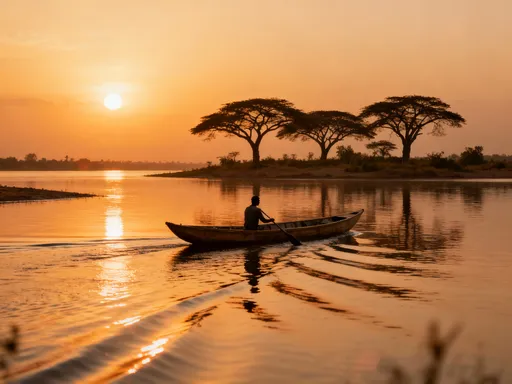
Dar es Salaam’s identity is inseparable from its position along the warm waters of the Indian Ocean. For centuries, this coastline has served as a meeting point for African, Arab, Persian, and Indian traders, creating a unique cultural blend known today as Swahili civilization. The city’s name, which means 'House of Peace' in Arabic, reflects its historical role as a port of refuge and exchange. Even now, the rhythm of daily life echoes this heritage. Fishermen still launch wooden dhows at dawn, their sails catching the first light as they head out to sea, continuing a tradition passed down through generations. These handcrafted boats, built without blueprints using techniques unchanged for centuries, are more than vessels—they are symbols of resilience and craftsmanship.
Coastal culture here is not preserved behind glass; it lives in the markets, the mosques, and the evening meals shared on verandas. The Swahili language itself is a living archive of this fusion, blending Bantu grammar with Arabic vocabulary, while also absorbing words from Portuguese, Hindi, and English. Locals greet each other with 'Habari yako?' and respond with warmth and formality, reflecting a deep-rooted value for respect and community. Women in brightly colored kanga wraps carry goods on their heads, balancing tradition and modernity with grace. The scent of cloves, cinnamon, and coconut milk drifts through the air, especially near waterfront eateries where octopus curry and grilled kingfish are served on banana leaves.
One of the most authentic ways to experience this culture is by joining a local seafood feast, known as a *mchuzi wa bahari*. These gatherings often take place in informal beachside shacks called *mama ntilie* stalls, where families and friends gather around low tables, tearing off pieces of chapati to scoop up rich stews. There’s no menu—just whatever the day’s catch brings, seasoned with tamarind, chili, and lemon grass. These meals are not performances for visitors; they are moments of connection, laughter, and sustenance. To witness them is to understand that in Dar es Salaam, culture is not observed—it is lived, shared, and renewed every day.
Kariakoo Market: Where Tradition Sells Itself
Kariakoo Market is not just a place to shop—it’s a living pulse of Dar es Salaam’s social and cultural energy. One of the oldest and most dynamic markets in East Africa, it spans several blocks and operates from early morning until dusk, drawing thousands of shoppers, traders, and curious visitors daily. The moment you step into its labyrinthine alleys, your senses are overwhelmed: the sharp tang of fresh ginger and turmeric, the vibrant swirl of kangas and kitenges in every imaginable pattern, the sizzle of skewered meat on open grills, and the constant hum of Swahili banter. This is not a curated tourist attraction but a genuine hub of everyday life, where urban Tanzanians come to buy, sell, and socialize.
What makes Kariakoo so special is how commerce intertwines with community. Bargaining is not just a transaction—it’s a ritual, a dance of words and smiles that builds trust between buyer and seller. A vendor might start by quoting a price twice the expected amount, not out of dishonesty, but as an invitation to engage. Responding with a counteroffer in broken Swahili, accompanied by a friendly laugh, often leads to a warm exchange and a better deal. More than just a marketplace, Kariakoo is a theater of human interaction, where news is exchanged, jokes are shared, and relationships are forged over bundles of spinach or bolts of fabric.
For visitors, navigating Kariakoo can be both exhilarating and overwhelming. To make the most of the experience, it’s best to arrive early in the morning, when the air is cooler and the crowds slightly thinner. Wear comfortable shoes, carry a small bag, and keep valuables out of sight. Focus on observing and engaging rather than rushing through. Look for stalls selling handmade sisal baskets, intricately woven with geometric patterns that vary by region. Herbalists offer roots, barks, and dried leaves used in traditional wellness practices—these are not marketed as exotic souvenirs but as everyday remedies trusted by locals. Street food vendors serve *viazi karai* (spiced fried potatoes), *mahamri* (sweet coconut buns), and *chai ya nazi* (coconut milk tea), offering a delicious entry point into local flavors.
While the market is vibrant, it’s essential to approach it with respect. Ask permission before taking photos of people, especially vendors who are working hard to earn a living. A simple 'Niombe nikapigie picha?' (May I take your picture?) goes a long way. Avoid touching goods without intent to buy, and be mindful of personal space in crowded areas. By moving with awareness and kindness, visitors can become part of the market’s rhythm rather than disruptors of it. Kariakoo is not just a place to see—it’s a place to feel, to listen, and to learn.
Upanga’s Architectural Soul
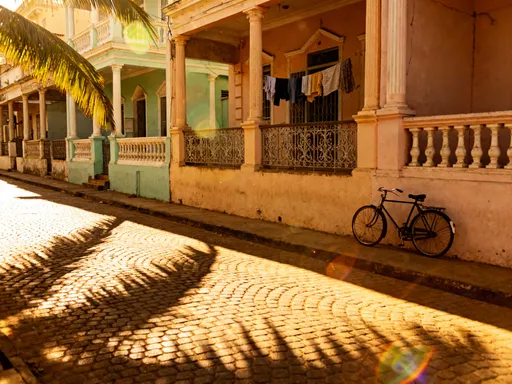
Just a short distance from the city center lies Upanga, a neighborhood that whispers stories of Dar es Salaam’s layered past through its architecture. Unlike the modern high-rises of the business district, Upanga retains the charm of early 20th-century urban planning, with wide, tree-lined avenues, coral stone buildings, and ornate balconies that speak of colonial, Indian, and Islamic influences. This area was once home to merchants, civil servants, and religious leaders, and its streets still reflect that cosmopolitan legacy. Walking through Upanga feels like stepping into a quieter, more contemplative version of the city—one where history is not erased but woven into daily life.
The architectural blend here is striking. Grand houses with arched doorways and carved wooden shutters stand beside modest bungalows with flat roofs and latticed windows. Many buildings feature intricate Swahili details—geometric stucco patterns, brass-studded doors, and inner courtyards designed to catch the breeze. These homes were built to suit the coastal climate, with thick walls for insulation and high ceilings to allow hot air to rise. Some have been converted into offices or guesthouses, while others remain family homes, passed down through generations. The presence of both Christian churches and historic mosques within a few blocks of each other speaks to the long-standing religious coexistence that defines Tanzanian society.
One of the most notable landmarks in Upanga is the Askari Monument, a tribute to African soldiers who served in the British forces during World War I. Though modest in size, it stands as a reminder of the complex colonial history that shaped the city. Nearby, the Oyster Bay neighborhood offers a more contemporary contrast, with embassies and upscale residences, but Upanga remains distinct in its authenticity. It is not heavily marketed to tourists, which means visitors who come here are often met with genuine curiosity rather than commercial expectation. Locals may smile and say 'Karibu' (Welcome) as you pass, not because they want to sell you something, but because hospitality is a cultural norm.
Exploring Upanga on foot or by bicycle allows for a deeper appreciation of its quiet dignity. Early mornings are especially beautiful, when the sunlight filters through the mango and neem trees, casting dappled shadows on the pavement. Birdsong fills the air, and the scent of jasmine drifts from garden walls. This is a place to slow down, to notice details—the way a wrought-iron gate curves like a wave, or how a faded sign in Arabic script still hangs above a shop. Upanga doesn’t shout its history; it lets you discover it, one quiet moment at a time.
Art and Expression in the City’s Galleries and Streets
Art in Dar es Salaam is not confined to galleries—it spills onto walls, into market stalls, and onto the sidewalks where children draw with chalk. The city’s creative spirit is alive and evolving, shaped by both tradition and contemporary challenges. Small galleries like the Nafasi Art Space and the Tanzania National Museum’s contemporary wing provide platforms for local artists to showcase their work, often using art as a means of storytelling, social commentary, and cultural preservation. Paintings, sculptures, and mixed-media installations reflect themes of identity, migration, environmental change, and everyday resilience.
One of the most powerful forms of artistic expression in the city is the use of recycled materials. Artists transform scrap metal, bottle caps, and old tires into striking sculptures that speak to both innovation and sustainability. A chair made from repurposed car parts might comment on urbanization, while a mural composed of broken ceramics could symbolize the beauty of fragmentation and repair. This resourcefulness is not just artistic—it reflects a broader cultural value of making the most of what is available, a philosophy deeply rooted in Tanzanian life.
Traditional craftsmanship also thrives, particularly in the form of Makonde wood carvings. Originating from the southern highlands, these intricate sculptures often depict family trees, spiritual figures, or abstract forms that explore human connections. In Dar es Salaam, Makonde artists have adapted their craft to urban themes, carving scenes of city life, market scenes, or political satire. Their work can be found in galleries, cultural centers, and even roadside stalls, where visitors can speak directly with the artists and learn about their process.
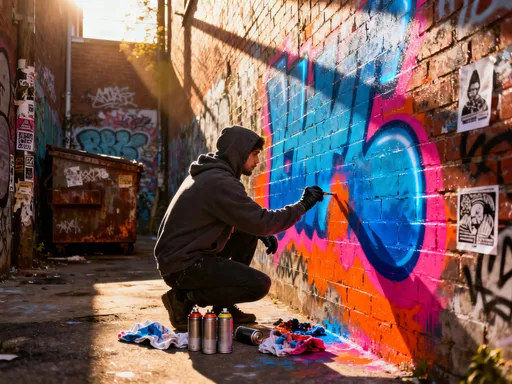
Street art is another growing medium, with murals appearing on walls across neighborhoods like Kariakoo, Ubungo, and Manzese. These vibrant works often carry messages of unity, environmental awareness, or national pride. Some are commissioned by NGOs or city programs, while others are grassroots expressions by young artists reclaiming public space. The annual Sauti za Busara festival, though based in Zanzibar, has outreach events in Dar es Salaam that bring together musicians, dancers, and visual artists from across East Africa, creating a dynamic cultural exchange. Attending one of these events offers a chance to see art not as a static object, but as a living, breathing force in the community.
Cultural Eats: More Than Just Food
In Dar es Salaam, eating is never just about sustenance—it’s a social act, a cultural ritual, and a window into the soul of the city. Meals are typically shared, served on large platters or banana leaves, and eaten with the right hand, a practice that fosters intimacy and presence. The most common staple is *ugali*, a firm maize porridge that serves as the base for most dishes. It’s often paired with *mchicha*, a spinach-like green cooked with garlic and tomatoes, or with stews made from beans, chicken, or fish. Another favorite is *wali wa nazi*—coconut rice—whose creamy texture and subtle sweetness reflect the coastal influence.
For a truly authentic experience, visitors should seek out *mama lishe* stalls—small, family-run food stands that pop up in residential areas, near bus stops, and around university campuses. These humble eateries serve some of the most flavorful and affordable meals in the city. A typical plate might include *viazi karai* (crispy spiced potatoes), grilled *sardinesi*, and a side of *kachumbari* (a fresh tomato and onion salad). The food is prepared fresh throughout the day, and the owners take pride in their recipes, often passed down from mothers and grandmothers.
Dining at a *mama lishe* stall is more than a meal—it’s an opportunity to connect. Owners often remember regular customers by name, and conversations flow easily in Swahili or broken English. Sitting on a plastic stool under a shaded awning, sharing a table with locals, you become part of the neighborhood rhythm. There’s no menu to decode, no waiter to summon—just food, warmth, and human connection. For many visitors, these moments become the most memorable parts of their trip, not because the setting is luxurious, but because it is real.
Another must-try experience is the Friday *nyama choma* (grilled meat) tradition, when families gather to enjoy skewers of goat, beef, or chicken, often accompanied by beer or *tamarindi* juice. These gatherings take place in open-air restaurants or backyard *kibandas*, where music plays and children run between tables. The meat is slow-grilled over charcoal, giving it a smoky depth that store-bought versions can’t replicate. While this custom is popular across East Africa, Dar es Salaam’s version carries its own coastal twist, with marinades that include lemon grass, coconut oil, and chili. To join such a gathering, even as a guest, is to be welcomed into the heart of Tanzanian hospitality.
Choosing the Right Cultural Zones for Your Travel Pace
One of the keys to a meaningful visit to Dar es Salaam is matching your itinerary to your travel rhythm. The city offers a spectrum of experiences—from the high-energy buzz of Kariakoo Market to the tranquil walks of Upanga’s tree-lined streets. For travelers who thrive on stimulation and sensory richness, starting the day in Kariakoo makes sense. Arriving by *daladala* (the city’s minibus taxis) adds to the authenticity, offering a firsthand look at how most residents move through the city. These colorful, often crowded minibuses follow fixed routes and are an efficient, if chaotic, way to travel. While not luxurious, they provide an unfiltered glimpse into daily life.
After a few hours of market exploration, a shift to a quieter area like Upanga or Oyster Bay can provide balance. These neighborhoods allow for slower observation, photography, and reflection. Walking tours, whether self-guided or with a local guide, are ideal for absorbing architectural details and engaging with residents. Some visitors choose to combine both experiences in a single day—morning in the market, lunch at a local *mama lishe* stall, and an afternoon stroll through Upanga’s historic streets. This rhythm mirrors the city’s own flow, where activity and stillness coexist.
For those seeking comfort and convenience, hiring a private driver or joining a small-group cultural tour can enhance the experience without sacrificing authenticity. Knowledgeable guides can provide context, translate conversations, and help navigate the city safely. They may also introduce visitors to lesser-known spots, such as a hidden courtyard mosque or a community art project. The key is not to rush through attractions but to allow time for spontaneous interactions—chatting with a vendor, sharing a cup of chai, or watching children play soccer in an open lot.
Timing is also important. Weekdays are best for market visits, as weekends can be less active in some areas. Early mornings are cooler and less crowded, while late afternoons offer golden light for photography. Evening walks along the seafront at Coco Beach or the Msasani Peninsula provide a peaceful end to the day, with views of the Indian Ocean and locals flying kites or enjoying grilled corn. By tuning into the city’s natural pace, travelers can move beyond tourism and into genuine cultural connection.
How to Respectfully Engage With Local Culture
Respect is the foundation of meaningful travel, especially in a city as culturally rich as Dar es Salaam. Tanzanians are known for their warmth and hospitality, but this openness should not be taken for granted. Simple gestures can make a big difference. Learning a few phrases in Swahili—such as 'Jambo' (Hello), 'Asante' (Thank you), and 'Pole' (Sorry/Excuse me)—shows effort and respect. Greetings are important; never rush past someone without acknowledging them, even with a nod or a smile.
Dress modestly, especially in residential neighborhoods and religious sites. While beach areas are more relaxed, covering shoulders and knees in public spaces is appreciated and often expected. When visiting mosques, churches, or homes, remove your shoes if asked, and follow local customs. Always ask permission before photographing people, particularly women and children. A photo taken without consent can feel intrusive, even if intended as appreciation. If someone declines, accept it gracefully.
Engage with curiosity, not judgment. If you see a practice you don’t understand—whether it’s a traditional healing ritual, a street vendor’s method, or a family’s meal—observe quietly and ask questions politely. Most people are happy to explain their culture if approached with humility. Avoid treating locals as exhibits or photo props. Instead, build real moments: buy something from a vendor and chat, share a joke, or simply sit and watch life unfold.
Slow travel fosters deeper connections. Rather than trying to see everything in a day, return to the same market, eat at the same stall, or walk the same street multiple times. Familiarity builds trust. You may find that vendors begin to recognize you, offer you tea, or invite you into conversation. These small moments—brief as they may be—are the essence of cultural exchange. They remind us that travel is not about collecting destinations, but about building bridges between lives.
Conclusion
Dar es Salaam’s true magic lies not in grand attractions but in its living, breathing cultural fabric. By exploring its theme areas with care and curiosity, travelers don’t just see a city—they connect with its soul. This is travel that changes perspectives, one authentic moment at a time. From the rhythmic clang of dhow builders to the laughter in a bustling market, from quiet architectural gems to vibrant street art, the city offers a mosaic of experiences that are real, unfiltered, and deeply human. For those willing to slow down, listen, and engage with humility, Dar es Salaam reveals itself not as a stopover, but as a destination of profound cultural depth. It invites you not just to visit, but to belong, even if just for a moment. In doing so, it reminds us that the world is richer when we choose connection over consumption, and presence over performance.