How Massage Therapy Transformed My Recovery—And the Science Behind It
Recovery isn’t just about rest—science shows it’s about smart recovery. After struggling with muscle stiffness and slow rehab progress, I discovered the powerful synergy between massage therapy and structured exercise. It wasn’t magic, but it felt close. Backed by research, this combo improved my flexibility, reduced soreness, and sped up healing. This is how science, movement, and touch work together—naturally and effectively. Always consult a healthcare professional before starting any new wellness routine.
The Hidden Barrier to Recovery: Why Rest Isn’t Enough
For years, the common belief has been that healing requires complete stillness—stay off your feet, avoid movement, and let time do the work. While rest plays a role in the early stages of injury, prolonged inactivity can actually hinder recovery. The body is designed to move, and when muscles and joints remain idle for too long, they begin to weaken, stiffen, and lose coordination. This passive approach often leads to delayed healing, increased scar tissue formation, and a frustrating plateau in rehabilitation progress.
What many don’t realize is that recovery is an active process. The human body responds to controlled stimulation by increasing blood flow, delivering oxygen and nutrients to damaged tissues, and removing metabolic waste. This is the foundation of active recovery—a method supported by physical therapists and sports medicine experts. When movement is reintroduced safely and progressively, it signals the body to rebuild stronger, more resilient tissue. Without it, even minor injuries can evolve into chronic discomfort or limited mobility.
Early signs of inefficient recovery include persistent muscle tightness, lingering soreness beyond 72 hours, and a noticeable reduction in range of motion. These are not just inconveniences—they are indicators that the healing process is stalled. For women between 30 and 55, who often juggle caregiving, work, and household responsibilities, these symptoms can silently accumulate, leading to long-term discomfort. The solution isn’t more rest—it’s smarter recovery.
Massage Therapy Unpacked: What It Really Does to Your Body
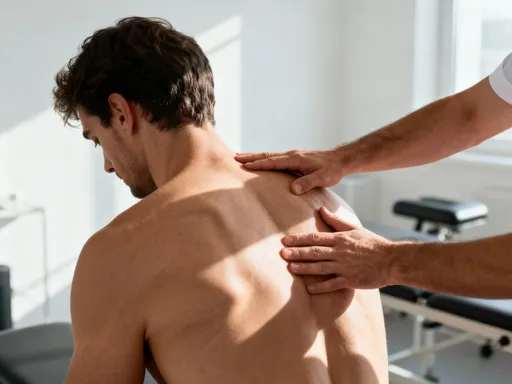
Massage therapy is often associated with relaxation and stress relief, but its benefits extend far beyond the spa experience. At the physiological level, massage applies targeted pressure and rhythmic manipulation to muscles, connective tissue, and the nervous system. These techniques trigger a cascade of biological responses that support healing. One of the most significant effects is the modulation of stress hormones. Studies have shown that regular massage reduces cortisol levels—the body’s primary stress hormone—while simultaneously increasing serotonin and dopamine, neurotransmitters linked to mood regulation and pain relief.
Beyond hormonal balance, massage enhances circulation. Improved blood flow delivers oxygen-rich blood to fatigued or injured muscles, accelerating tissue repair and reducing inflammation. At the same time, lymphatic drainage is stimulated, helping the body flush out metabolic byproducts like lactic acid, which contribute to soreness and stiffness. This is especially valuable after physical exertion or during rehabilitation when muscles are rebuilding.
Another critical aspect of massage is its impact on fascia—the web-like connective tissue that surrounds muscles, organs, and bones. When fascia becomes tight or adhered due to injury or inactivity, it restricts movement and contributes to chronic pain. Skilled massage techniques, such as myofascial release, help restore elasticity and glide within this tissue, improving mobility and reducing discomfort. Importantly, massage is not a passive indulgence; it is a form of physiological support that prepares the body for movement and enhances its ability to heal.
The Exercise Connection: How Movement Fuels Healing
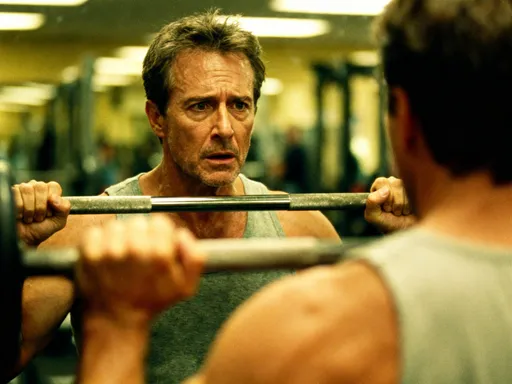
While massage prepares the body, exercise sustains and amplifies its benefits. Targeted physical activity is essential for rebuilding strength, restoring coordination, and retraining the neuromuscular system. The key is not intensity, but intentionality. Low-impact, controlled movements such as walking, swimming, or gentle yoga promote joint mobility without overloading healing tissues. These activities stimulate circulation, support joint lubrication, and prevent the muscle atrophy that often follows injury or prolonged rest.
One of the core principles of rehabilitative exercise is neuromuscular re-education—the process of retraining the brain and muscles to communicate effectively. After an injury, movement patterns can become altered, leading to compensatory behaviors that strain other parts of the body. For example, a woman recovering from a knee injury might unknowingly shift her weight to the opposite leg, creating imbalances over time. Specific exercises help correct these patterns, restoring symmetry and stability.
Controlled loading—applying gradual, safe stress to healing tissues—is another crucial component. This stimulates collagen production and guides the formation of stronger, more organized scar tissue. Without this stimulus, scar tissue can form haphazardly, leading to stiffness and reduced function. Isometric exercises, where muscles contract without joint movement, are particularly effective in early recovery stages. They build strength without placing strain on injured areas, making them ideal for women managing daily responsibilities while healing.
When Touch Meets Motion: The Synergy of Massage and Exercise
The true power of recovery lies in the integration of massage and exercise. When used together, they create a synergistic cycle: massage releases tension and improves tissue quality, making movement easier and more effective. In turn, exercise maintains the gains achieved through massage, preventing muscles from reverting to their previous state of tightness. This dynamic relationship transforms recovery from a passive waiting game into an active, progressive journey.
Consider a common scenario: chronic lower back tightness. A massage session can relax overworked muscles, reduce nerve irritation, and improve spinal mobility. But without follow-up movement, the relief may be temporary. By incorporating gentle core activation exercises and pelvic tilts afterward, the body learns to support itself in a healthier alignment. Over time, this combination reduces the frequency and intensity of discomfort.
Timing plays a crucial role in maximizing this synergy. Pre-workout massage or self-myofascial release with a foam roller can prepare muscles for activity, enhancing performance and reducing injury risk. Post-workout sessions help clear metabolic waste and prevent excessive soreness. For ongoing maintenance, weekly or biweekly professional massage, combined with daily mobility work, supports long-term tissue health. Clinical observations suggest that patients who follow this integrated approach often report faster functional improvement and greater confidence in their recovery.
Designing a Science-Backed Recovery Program
Creating an effective recovery plan doesn’t require extreme measures—it requires consistency, personalization, and informed choices. A balanced program combines professional massage therapy with a structured exercise routine tailored to individual needs. For most adults, especially those in the 30–55 age range managing physical demands at home and work, a realistic framework includes 1–2 massage sessions per week, complemented by daily mobility exercises lasting 10–20 minutes.
Sample movements should focus on restoring and maintaining range of motion. Dynamic stretching—such as leg swings, arm circles, and cat-cow stretches—activates muscles through movement, preparing them for activity. Foam rolling targets larger muscle groups like the quadriceps, hamstrings, and back, helping to release tension between professional sessions. Isometric holds, like wall sits or plank variations, build strength without joint strain. Active range-of-motion exercises, such as ankle circles or shoulder rolls, are especially beneficial for those recovering from immobility or surgery.
Personalization is essential. A woman recovering from a shoulder injury will have different needs than one managing general muscle stiffness from prolonged sitting. The program should evolve with the recovery stage—starting with gentle, pain-free movements and gradually increasing intensity as strength and mobility improve. Equally important is avoiding overuse. Pushing too hard or too fast can lead to setbacks. Proper technique, guided by a physical therapist or certified trainer, ensures safety and effectiveness.
What the Research Says: Evidence from Clinical Studies
The integration of massage and exercise is not based on anecdote—it is supported by a growing body of scientific evidence. Peer-reviewed studies have demonstrated that massage therapy significantly reduces delayed onset muscle soreness (DOMS), the discomfort that typically peaks 24–72 hours after intense physical activity. One study published in the *Journal of Athletic Training* found that participants who received massage after eccentric exercise reported less soreness and maintained greater muscle function compared to those who did not.
Another clinical trial examined recovery in individuals with chronic low back pain. Those who combined massage with a structured exercise program showed greater improvement in pain reduction and functional mobility than those who relied on exercise alone. The combination group also reported higher adherence to their routines, suggesting that the physical and emotional benefits of massage enhanced motivation.
Research also highlights the physiological changes induced by massage. Magnetic resonance imaging (MRI) studies have shown increased blood flow to muscles following massage, while biochemical analyses confirm faster clearance of inflammatory markers. However, it’s important to note that results vary by individual. Factors such as age, fitness level, type of injury, and consistency of treatment influence outcomes. Benefits are measurable but gradual—most studies emphasize the importance of regular, sustained practice rather than quick fixes.
While massage and exercise are powerful tools, they are not universal cures. They work best as part of a comprehensive approach that includes proper nutrition, hydration, and sleep. The research consistently shows that when used together, these elements create an environment where healing can thrive.
Real Recovery: Building a Sustainable Routine
Transitioning from theory to daily practice is where true transformation occurs. Sustainable recovery isn’t about perfection—it’s about consistency, awareness, and self-compassion. It means listening to your body, recognizing when to push forward and when to rest, and honoring the pace of healing. For many women in midlife, this shift in mindset is as important as the physical routine itself.
Accessibility is a common concern. Professional massage therapy may not be feasible for everyone on a weekly basis. Fortunately, self-care tools like foam rollers, massage balls, and handheld massagers can provide effective support at home. Learning basic self-massage techniques—such as rolling the calves or releasing the upper back against a ball—can make a meaningful difference. Online resources from licensed therapists offer guided routines that are safe and easy to follow.
Equally important is finding qualified professionals. When seeking a massage therapist, look for credentials such as licensure and training in medical or rehabilitative massage. Communication is key—share your goals, injuries, and limitations so the session can be tailored to your needs. A good therapist will work with you, not just on you.
Finally, patience is essential. Healing is not linear. Some days will feel like progress; others may feel like setbacks. What matters is the long-term commitment to self-care. By integrating massage and movement into daily life, recovery becomes not just a response to injury, but a lifestyle choice—one that supports energy, resilience, and overall well-being.
True recovery is a dynamic process—neither passive nor rushed. By combining the science of massage therapy with intentional movement, healing becomes more efficient and sustainable. This approach doesn’t promise miracles, but it delivers real, measurable progress. When supported by evidence and guided by professionals, the journey back to strength becomes not just possible—but empowering.