How I Found My Natural Rhythm with Simple Qigong
For years, I felt out of sync—tired in the morning, wired at night, constantly chasing balance. Then I discovered qigong, not as a cure, but as a quiet companion to my daily life. It wasn’t dramatic, just gentle movements and mindful breathing done consistently. Slowly, my energy stabilized, my sleep deepened, and I began to live with my body, not against it. This is how I reclaimed my life rhythm, one breath at a time.
Living Out of Sync: The Modern Rhythm Crisis
In today’s fast-moving world, many people—especially women managing homes, careers, and families—find themselves living in a constant state of imbalance. Mornings begin with rushing, days are filled with mental overload, and evenings end in exhaustion that doesn’t quite lead to restful sleep. The body’s natural rhythm, also known as circadian rhythm, is designed to follow predictable patterns: alertness during daylight, gradual winding down at dusk, and deep restoration at night. Yet modern life often overrides these internal cues. Artificial lighting, screen exposure, irregular meal times, and emotional stress all contribute to a body that feels perpetually out of alignment.
When life rhythms are disrupted, the effects go beyond simple fatigue. Mood swings, irritability, difficulty concentrating, and weakened immunity become common. Many women in their 30s to 50s report feeling like they are running on empty, unable to recharge no matter how much they sleep. This is not a personal failure—it is a reflection of how far removed daily life has become from the natural cycles that support health. The body thrives on consistency: regular sleep, moderate activity, and moments of stillness. Without these anchors, energy becomes erratic, and well-being suffers.
The concept of life rhythm is not new. Traditional systems of medicine, such as Traditional Chinese Medicine (TCM), have long emphasized the importance of living in harmony with natural cycles. These systems view health as a state of balance between internal energy and external environment. Disruptions in this balance are seen as the root of many chronic conditions. In recent years, modern science has begun to validate these ancient insights, recognizing that aligning with natural rhythms—through sleep hygiene, meal timing, and stress management—can have profound effects on physical and mental health.
As awareness grows, more people are turning to holistic practices that support rhythm restoration. Among these, qigong has emerged as a gentle yet powerful tool. Unlike intense workouts or complicated regimens, qigong meets people where they are. It does not demand perfection or performance. Instead, it invites presence, patience, and self-compassion. For women navigating the complexities of midlife, this approach offers a sustainable path back to balance—one that honors the body rather than pushing it to its limits.
Discovering Qigong: A Gentle Reset for Body and Mind
The turning point came during a particularly exhausting season. Despite getting seven or eight hours of sleep, I woke up feeling heavy, as if my body hadn’t truly rested. Mornings were sluggish, afternoons were marked by brain fog, and nights brought restlessness instead of recovery. Frustrated and searching for answers, I began exploring low-impact wellness practices. That’s when I encountered qigong—a centuries-old practice rooted in Chinese philosophy and healing traditions. At first, I was skeptical. The idea of slow movements and breathing exercises seemed too simple to make a difference. But with little to lose, I decided to try it for just five minutes a day.
Qigong, pronounced “chee-gong,” is built on three core elements: breath, movement, and awareness. Together, they work to cultivate and balance vital energy, known in Chinese medicine as qi (or “chi”). This energy is not mystical—it refers to the body’s natural life force, the subtle flow that supports cellular function, circulation, and nervous system regulation. When qi flows freely, the body operates efficiently. When it becomes stagnant or unbalanced, fatigue, tension, and discomfort can arise. Qigong helps restore this flow through gentle, intentional actions that do not strain the body.
One of the most appealing aspects of qigong is its accessibility. Unlike high-intensity exercise, it does not require strength, flexibility, or special equipment. It can be practiced standing, sitting, or even lying down. There is no need for a yoga mat, workout clothes, or a quiet retreat. A small space at home, a few minutes of time, and a willingness to pay attention are all that is needed. This makes it especially suitable for women with busy schedules, physical limitations, or chronic conditions that make vigorous activity difficult.
What sets qigong apart is its emphasis on internal awareness rather than external performance. There is no goal of burning calories or achieving a certain posture. Instead, the focus is on tuning in—feeling the breath move through the body, noticing the shift in weight as you rock gently from heel to toe, observing how tension softens with each exhale. This inward attention creates a space where the nervous system can begin to relax, and the mind can let go of its constant chatter. Over time, this practice becomes less about doing and more about being—a quiet reset that supports the body’s natural ability to heal and rebalance.
Why Qigong Works: The Science Behind the Stillness
While qigong has ancient roots, modern research has begun to uncover the physiological mechanisms that explain its benefits. One of the most significant effects is its ability to activate the parasympathetic nervous system—the part of the autonomic nervous system responsible for rest, digestion, and recovery. When we are under chronic stress, the sympathetic nervous system dominates, keeping the body in a state of “fight or flight.” This leads to elevated cortisol levels, increased heart rate, and shallow breathing—all of which disrupt natural rhythms. Qigong counteracts this by introducing slow, rhythmic movements and deep diaphragmatic breathing, which send signals to the brain that it is safe to relax.
Studies have shown that regular qigong practice can significantly reduce cortisol, the primary stress hormone. Lower cortisol levels are associated with improved mood, better sleep, and reduced inflammation. Additionally, research published in journals such as Complementary Therapies in Medicine has demonstrated that qigong enhances heart rate variability (HRV), a key indicator of nervous system resilience. Higher HRV means the body can adapt more easily to stress and return to balance more quickly. This is especially important for women in midlife, who may experience hormonal shifts that affect mood and energy regulation.
Sleep quality is another area where qigong shows measurable benefits. A 2020 meta-analysis of multiple clinical trials found that participants who practiced qigong reported improved sleep onset, fewer nighttime awakenings, and greater overall sleep satisfaction. These improvements are linked to the practice’s ability to calm the mind and reduce physical tension. By slowing down both movement and breath, qigong helps transition the body from a state of alertness to one of restfulness, making it easier to fall asleep and stay asleep.
Perhaps most importantly, qigong works in harmony with the body’s natural pace. Unlike quick-fix solutions that promise immediate results, qigong emphasizes gradual, cumulative change. This aligns with the way the body heals—slowly, steadily, and with consistency. The benefits are not always dramatic at first. A person might notice only a slight improvement in energy or a quieter mind after a few sessions. But over weeks and months, these small shifts add up, leading to a more stable rhythm, greater resilience, and a deeper sense of well-being. This gentle approach makes it sustainable for long-term practice, especially for those who have struggled with more demanding wellness routines in the past.
The Morning Ritual: Starting the Day with Intention
One of the most effective ways to integrate qigong into daily life is through a simple morning routine. Rather than reaching for coffee or checking emails first thing, beginning the day with gentle movement and breath sets a calmer tone. A 10-minute sequence can be enough to awaken the body without shocking it into overdrive. The key is to move slowly and mindfully, allowing the body to transition naturally from rest to activity.
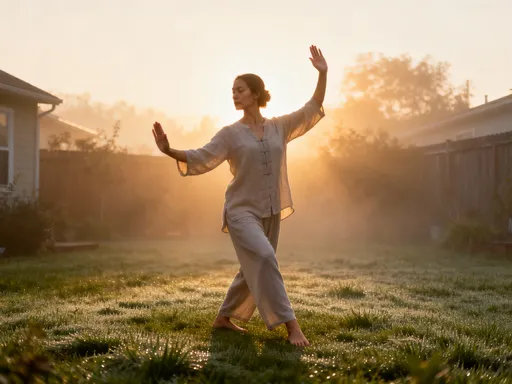
A basic morning qigong practice might start with standing tall, feet shoulder-width apart, arms relaxed at the sides. Begin with a few deep breaths, inhaling through the nose and exhaling through the mouth, feeling the belly expand and soften. Then, slowly rock forward and back, shifting weight from heels to toes, loosening the ankles and knees. Follow this with gentle pelvic tilts—arching and rounding the lower back—to release tension in the spine. Next, raise the arms slowly overhead as you inhale, then lower them as you exhale, imagining energy flowing through the fingertips. Repeat this several times, coordinating breath with movement.
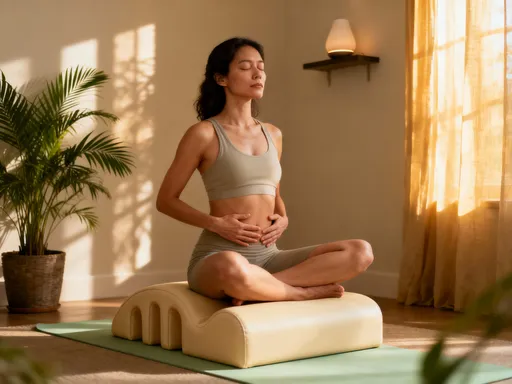
Another helpful movement is the “wave breath,” where the arms move in a flowing motion from the sides up and over the head, then down in front of the body, like a slow ocean wave. This motion encourages full lung expansion and stimulates circulation. Finish with a moment of stillness, hands resting on the lower abdomen, focusing on the warmth and rhythm of the breath. This simple sequence helps ground the mind, awaken the senses, and prepare the body for the day ahead.
The psychological benefit of this routine is just as important as the physical one. Starting the day with intention—rather than reaction—creates a sense of control and calm. It signals to the nervous system that the day does not have to be chaotic. For women who often feel pulled in multiple directions before they’ve even had breakfast, this quiet beginning can be transformative. Modifications are easy: those with limited mobility can perform the same movements while seated, using smaller motions and focusing on breath awareness. The goal is not perfection, but presence.
Midday Reset: Rebalancing Energy Without Burnout
By mid-afternoon, many people experience a drop in energy. This is especially true for those working long hours, managing household tasks, or caring for children. The body’s natural rhythm includes a slight dip in alertness between 1:00 and 3:00 p.m., a remnant of our evolutionary biology. In modern life, this dip is often ignored or fought with caffeine, sugar, or screen time. But these quick fixes can lead to energy crashes later, disrupting the rest of the day and evening.
A better approach is the midday qigong reset—a short, accessible practice that can be done at a desk, in a quiet corner, or even in a parked car. This is not about replacing a lunch break or skipping responsibilities. It is about creating a brief pause to recalibrate. A simple sequence might include seated shoulder rolls—rolling the shoulders forward and back in slow, circular motions—to release tension from hours of sitting. Follow this with spinal waves: gently arching and rounding the back while seated, allowing the head to follow the motion. This movement lubricates the spine and improves posture.
Then, take three deep, conscious breaths. Inhale slowly through the nose, filling the lower belly, and exhale fully through the mouth, releasing any tightness in the chest or jaw. These breaths act as a reset button for the nervous system, interrupting the cycle of stress and mental fatigue. Unlike a nap, which can lead to grogginess, or a sugary snack, which causes a blood sugar spike, this micro-practice restores clarity without side effects.
What makes this approach sustainable is its simplicity and flexibility. It requires no preparation, no special clothing, and only a few minutes. Over time, these small pauses accumulate, preventing the buildup of stress that leads to burnout. Women who practice this midday reset often report feeling more focused, less irritable, and better able to manage afternoon tasks. It becomes a quiet act of self-care, a way to honor the body’s need for periodic rest without sacrificing productivity.
Evening Wind-Down: Preparing the Body for Deep Rest
Just as the morning sets the tone for the day, the evening shapes the quality of the night. For many women, the transition from activity to rest is abrupt—dinner cleanup, helping children with homework, answering messages—followed by an attempt to fall asleep. This lack of a wind-down period keeps the nervous system activated, making it harder to fall asleep and stay asleep. Evening qigong offers a gentle solution, helping the body shift from doing to being.
A calming routine might begin with seated forward folds. Sit on the edge of a chair or on the floor with legs extended. Inhale to lengthen the spine, then exhale to fold forward, letting the hands rest on the legs or the floor. Keep the movement soft and the breath slow, allowing the lower back and hamstrings to release. Follow this with abdominal breathing: place one hand on the belly and breathe deeply, feeling the hand rise and fall with each breath. This type of breathing activates the vagus nerve, a key component of the parasympathetic nervous system, promoting relaxation.
Another helpful practice is soft gaze meditation. Sit comfortably, eyes open but unfocused, gazing softly at a neutral spot on the floor or wall. Let thoughts come and go without engaging them. After a few minutes, close the eyes and continue breathing slowly. This practice reduces mental chatter and prepares the mind for sleep. Some women also incorporate gentle leg lifts or ankle circles while lying in bed to further release physical tension.
The cumulative effect of this evening routine is a body that feels ready for rest. By slowing down movement and breath, we signal to the brain that it is safe to let go. This supports the natural release of melatonin, the hormone that regulates sleep. Over time, this practice can reduce the time it takes to fall asleep and increase the duration of deep sleep. For women dealing with perimenopausal sleep disturbances or stress-related insomnia, evening qigong offers a non-pharmacological, side-effect-free way to improve sleep quality and support daily rhythm stability.
Making It Stick: Building a Lifelong Habit
Like any wellness practice, the benefits of qigong depend on consistency. The most common obstacles—lack of time, doubt about effectiveness, or difficulty remembering—are understandable, especially for women juggling multiple responsibilities. The key is not to aim for perfection, but to find ways to integrate qigong into existing routines. Habit stacking—pairing a new behavior with an established one—can be highly effective. For example, practice a few qigong movements after brushing your teeth in the morning, or do a breathing exercise while waiting for the kettle to boil.
Doubt often arises when changes are subtle. Unlike intense workouts that leave you sweaty and sore, qigong’s effects are gentle and cumulative. Instead of looking for dramatic shifts, pay attention to small signs: waking up feeling more refreshed, handling stress with greater calm, noticing less stiffness in the morning. These are indicators that the body’s rhythm is gradually returning to balance. Keeping a simple journal to note these shifts can reinforce motivation and provide encouragement during moments of uncertainty.
Consistency matters more than duration. Even five minutes of daily practice can make a difference. The goal is not to complete a long session every day, but to show up regularly. On busy days, a single minute of deep breathing counts. Over time, the practice becomes less of an effort and more of a natural part of daily life. It evolves from something you *do* into something you *are*—a way of moving through the world with greater awareness and ease.
For women seeking balance in a chaotic world, qigong offers a quiet, proven path. It does not require dramatic changes or expensive tools. It asks only for presence, patience, and a willingness to listen. By aligning small daily movements with the body’s innate wisdom, we stop fighting our rhythm and start flowing with it. This is not about achieving perfection—it is about returning to harmony, one breath, one movement, one day at a time. Always consult a healthcare provider before starting new wellness practices, especially with existing health concerns.