How I Balanced My Lipids Naturally and Felt Like My Body Came Back to Life
For years, I ignored the subtle signs—low energy, occasional chest tightness, and a growing sense that my body just wasn’t recovering like it used to. Then a routine checkup revealed my lipid levels were off track. Instead of rushing to medication, I dug into natural ways to support my body’s balance. What followed wasn’t a quick fix, but a real, gradual recovery. This is what I learned about lipid regulation and reclaiming my body’s rhythm—science-backed, sustainable, and centered on listening to my body.
The Wake-Up Call: When My Body Said “Enough”
For a long time, I believed I was doing fine. I wasn’t overweight, I walked occasionally, and I didn’t smoke. I told myself I was healthy enough. But looking back, the signals were there—frequent fatigue by mid-afternoon, a slight heaviness in my chest after climbing stairs, and a nagging sense that my body was slowing down. I chalked it up to aging, to busy days, to stress. It wasn’t until a routine physical that everything changed. The doctor’s tone shifted as she reviewed my blood work. My LDL cholesterol was elevated, my HDL was low, and my triglycerides were in the high range. These weren’t just numbers—they were warnings.
Hearing those results was unsettling. I didn’t feel sick, yet my body was silently under strain. The term “silent threat” took on real meaning. Cardiovascular issues often develop over years without noticeable symptoms, and dyslipidemia—abnormal levels of lipids in the blood—is a major contributor. High LDL, often called “bad” cholesterol, can accumulate in artery walls, forming plaques that restrict blood flow. Low HDL, the “good” cholesterol, means less of the protective mechanism that removes excess cholesterol. Elevated triglycerides are linked to inflammation and increased cardiovascular risk. Together, these imbalances create a dangerous environment, even in people who appear healthy on the outside.
The emotional impact was significant. I felt fear—fear of heart disease, fear of needing medication, fear of losing control over my health. But alongside that fear came determination. I didn’t want to jump straight to statins without exploring what I could do naturally. I realized that my lifestyle, not just my genes, had played a role in getting me here. This wasn’t about blame, but about responsibility. I decided to take action—not to chase perfection, but to restore balance and give my body what it needed to heal.
Understanding Lipids: What They Are and Why They Matter
Before making changes, I needed to understand what lipids actually are. Cholesterol and triglycerides are types of fat in the blood, essential for bodily functions but dangerous when out of balance. Cholesterol is not inherently harmful; in fact, the body produces it because it’s necessary for building cell membranes, producing hormones like estrogen and testosterone, and aiding in vitamin D synthesis. The liver manufactures most of the cholesterol the body needs, and only a portion comes from diet. The issue arises when there’s too much circulating in the bloodstream, particularly in the form of low-density lipoprotein (LDL).
Think of lipids as travelers in the bloodstream, carried by lipoproteins. LDL delivers cholesterol to cells, but when levels are too high, it can deposit cholesterol in the artery walls, leading to atherosclerosis—a hardening and narrowing of the arteries. High-density lipoprotein (HDL), on the other hand, acts like a cleanup crew, picking up excess cholesterol and transporting it back to the liver for disposal. This is why HDL is known as “good” cholesterol. Triglycerides, another type of fat, store unused calories and provide energy between meals. When triglyceride levels rise—often due to excess sugar and refined carbohydrates—they contribute to inflammation and increase the risk of heart disease.
One of the biggest misconceptions I had to unlearn was that all cholesterol is bad. That’s simply not true. The body needs cholesterol to function. The real problem is imbalance—too much LDL, not enough HDL, and high triglycerides. This combination, often referred to as atherogenic dyslipidemia, is a key driver of cardiovascular disease. The liver plays a central role in regulating lipid levels, adjusting production based on dietary intake and metabolic demands. When the liver is overburdened—by poor diet, insulin resistance, or chronic stress—it can lose its ability to maintain balance, leading to dyslipidemia.
Understanding this helped me see my condition not as a life sentence, but as a signal that my body needed support. It wasn’t about eliminating fat from my diet or fearing every egg. It was about creating conditions where my liver and metabolism could function optimally. This shift in mindset—from fear to understanding—was the first step toward real change.
The Root Causes: Lifestyle, Not Just Genetics
While genetics can influence lipid levels, research shows that lifestyle factors play a dominant role in most cases of dyslipidemia. I began to examine my daily habits with new awareness. My diet wasn’t terrible—I avoided fast food most of the time—but it was full of processed items: packaged snacks, white bread, sugary cereals, and store-bought dressings loaded with hidden sugars and unhealthy fats. I also realized how much refined carbohydrate I consumed. These foods break down quickly into glucose, spiking insulin levels. Over time, frequent insulin spikes can lead to insulin resistance, a condition where cells stop responding effectively to insulin. This not only raises blood sugar but also triggers the liver to produce more triglycerides and LDL cholesterol.
The connection between insulin resistance and lipid imbalance is well-documented. When the body becomes resistant to insulin, fat metabolism is disrupted. The liver increases production of VLDL (very low-density lipoprotein), which carries triglycerides and eventually converts to LDL. At the same time, HDL levels tend to drop. This creates the classic lipid triad: high triglycerides, low HDL, and small, dense LDL particles that are especially prone to oxidation and plaque formation. This pattern is common in metabolic syndrome, a cluster of conditions that increase the risk of heart disease, stroke, and type 2 diabetes.
Another factor I hadn’t considered was stress. Chronic stress elevates cortisol, a hormone that influences fat storage and metabolism. High cortisol levels promote abdominal fat accumulation, which is metabolically active and contributes to inflammation and insulin resistance. Stress also affects behavior—leading to poor sleep, emotional eating, and reduced physical activity—all of which further disrupt lipid balance. Sleep, too, plays a crucial role. Poor sleep quality and short sleep duration are linked to higher LDL and triglyceride levels and lower HDL. The body needs rest to repair and regulate hormones, including those involved in fat metabolism.
I began to see that my lipid imbalance wasn’t an isolated issue. It was a symptom of deeper lifestyle patterns—poor diet, chronic stress, inadequate sleep, and sedentary behavior. This realization was empowering. If lifestyle had contributed to the problem, then lifestyle changes could be part of the solution. I didn’t need a miracle—I needed consistency, awareness, and small, sustainable shifts.
Diet That Works: Real Food, Real Results
One of the most effective changes I made was transforming my diet—not through restriction, but through nourishment. I shifted from a fear-based approach, avoiding fat at all costs, to a more balanced, science-informed way of eating. I learned that not all fats are harmful. In fact, certain fats are essential for health. I began to focus on whole, unprocessed foods rich in fiber, healthy fats, and plant-based proteins. These foods support lipid balance by improving cholesterol profiles, reducing inflammation, and stabilizing blood sugar.
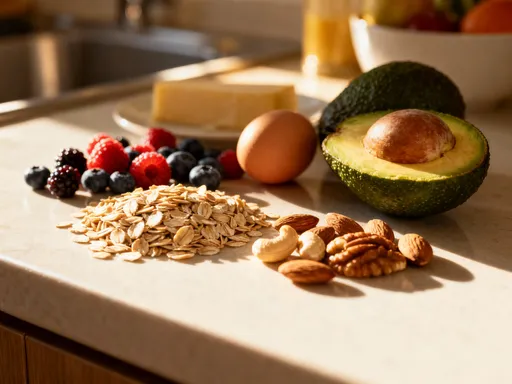
Soluble fiber, found in oats, beans, lentils, apples, and Brussels sprouts, is particularly effective at lowering LDL cholesterol. It binds to cholesterol in the digestive tract and helps remove it from the body. I started my day with oatmeal topped with berries and chia seeds—a simple change that increased my fiber intake significantly. Legumes became a staple in my meals. Black beans, chickpeas, and lentils provided protein and fiber without the saturated fat found in many animal products. I also incorporated more nuts, especially almonds and walnuts, which contain heart-healthy monounsaturated and polyunsaturated fats, including omega-3 fatty acids that help lower triglycerides.
Fatty fish like salmon, mackerel, and sardines became part of my weekly routine. These are rich in EPA and DHA, two types of omega-3s that have been shown to reduce triglyceride levels and support cardiovascular health. The American Heart Association recommends at least two servings of fatty fish per week for heart health, and I found this easy to follow. I also reduced my intake of refined carbohydrates—white bread, pastries, sugary drinks—and replaced them with whole grains like quinoa, brown rice, and whole wheat. These digest more slowly, preventing blood sugar spikes and reducing the liver’s need to produce excess triglycerides.
I didn’t eliminate all treats, but I became more mindful. Instead of store-bought cookies, I made my own using almond flour and natural sweeteners like mashed bananas or a small amount of honey. I read labels to avoid trans fats and excessive added sugars, especially in sauces and dressings. Over time, my taste buds adjusted. I no longer craved the intense sweetness of processed foods. My energy stabilized, and I noticed fewer cravings. This wasn’t a diet—it was a lasting shift toward foods that truly nourished my body.
Movement as Medicine: Small Steps, Big Shifts
Physical activity became another cornerstone of my recovery. I used to think exercise was only for weight loss, but I learned it directly affects lipid metabolism. Regular movement helps raise HDL cholesterol, lowers triglycerides, and improves insulin sensitivity. It also reduces inflammation and supports healthy blood pressure. The good news? You don’t need intense workouts to see benefits. Even moderate activity, when done consistently, can make a meaningful difference.
I started with walking—just 20 minutes a day after dinner. It was manageable and didn’t require special equipment or a gym membership. Within a few weeks, I noticed improvements in my stamina and mood. As I built the habit, I increased my steps and added short strength-training sessions at home using resistance bands and bodyweight exercises. Strength training is especially valuable because it builds muscle, and muscle tissue burns more calories at rest, improving metabolic health. I focused on compound movements like squats, lunges, and push-ups, which engage multiple muscle groups and boost efficiency.
Research shows that both aerobic and resistance training improve lipid profiles. A combination of the two appears to be most effective. The key is consistency. I aimed for at least 150 minutes of moderate-intensity aerobic activity per week, as recommended by health guidelines, and two days of strength training. I found ways to incorporate movement into my daily routine—taking the stairs, parking farther away, doing stretches during TV commercials. These small choices added up.
What surprised me most was how movement improved my overall well-being. I slept better, felt less anxious, and had more energy throughout the day. It wasn’t about pushing myself to exhaustion—it was about honoring my body’s need for motion. Over time, my triglycerides began to drop, and my HDL increased. These changes were reflected in my follow-up blood tests, reinforcing the connection between daily habits and long-term health.
Sleep, Stress, and the Hidden Triggers
As I progressed, I realized that diet and exercise weren’t the whole picture. Sleep and stress were silent influencers of my lipid levels. I had always treated sleep as something to sacrifice for productivity, but I learned that chronic sleep deprivation disrupts hormonal balance. Poor sleep increases cortisol and ghrelin (the hunger hormone) while decreasing leptin (the satiety hormone), leading to overeating and fat storage. It also impairs glucose metabolism and raises triglycerides.
I committed to improving my sleep hygiene. I set a consistent bedtime and wake time, even on weekends. I created a calming evening routine—dimming the lights, reading a book, and avoiding screens at least an hour before bed. I also limited caffeine after noon and avoided heavy meals in the evening. These changes helped me fall asleep faster and stay asleep longer. Within a few weeks, I noticed a difference in my energy and focus during the day.
Stress management became equally important. I began practicing breathwork—simple diaphragmatic breathing for five to ten minutes a day. This activated my parasympathetic nervous system, helping me feel calmer and more centered. I also started journaling to process emotions and reduce mental clutter. On stressful days, I took short walks or practiced gentle stretching. These practices didn’t eliminate stress, but they helped me respond to it more effectively.
The impact on my lipid profile was gradual but noticeable. As my sleep improved and stress levels decreased, my follow-up tests showed further improvements. This taught me that recovery isn’t just physical—it’s mental and emotional. Healing requires rest, calm, and self-compassion. By addressing these hidden triggers, I created a foundation for lasting change.
Tracking Progress and Staying on Course
One of the most motivating aspects of this journey was tracking my progress. I scheduled follow-up blood tests every three to four months to monitor my lipid levels. Seeing tangible improvements—lower triglycerides, higher HDL, and a better LDL-to-HDL ratio—reinforced my commitment. These markers were more meaningful than the scale. Weight loss was a side effect, but the real victory was metabolic health.
I learned to embrace consistency over perfection. There were days I ate something less healthy or skipped a workout, and that was okay. What mattered was the overall pattern. I stopped aiming for flawlessness and focused on sustainable habits. I also consulted my healthcare provider throughout the process. Regular check-ins ensured I was on the right track and allowed for professional guidance when needed. This wasn’t about rejecting medical care—it was about complementing it with lifestyle changes.
Over time, this journey evolved from a health crisis to a practice of self-care. I stopped seeing my body as a problem to fix and started viewing it as a partner to nurture. Balancing lipids became less about numbers and more about how I felt—more energy, clearer thinking, greater resilience. It was a reminder that health is not a destination, but a daily practice of listening, learning, and responding with kindness.